Subtotal R0,00

Politics/ 29 October 2025, 13:15pm/ Ayanda Shezi
Image Supplied
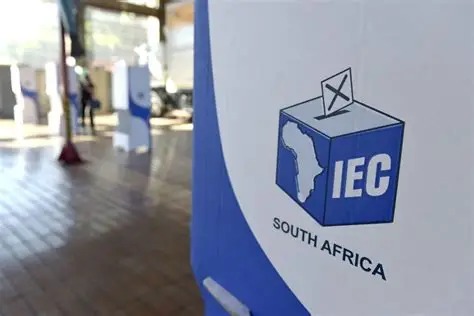
By Ayanda Shezi: Tensions flared in Parliament this week after the uMkhonto weSizwe (MK) Party and the Economic Freedom Fighters (EFF) rejected the reappointment of two Independent Electoral Commission (IEC) commissioners, arguing that Parliament had ignored the opportunity to inject new leadership into the body responsible for managing South Africa’s elections.
The National Assembly on Tuesday approved the names of Mosotho Moepya, the current IEC chairperson; Judge Dhaya Pillay, an existing commissioner; and Joyce Pitso, a new nominee, for recommendation to the President. Once confirmed, they will serve seven-year terms overseeing electoral management and governance in South Africa.
While most political parties in the Assembly did not formally vote against the nominations, several expressed dissatisfactions with the selection process and the reappointment of sitting commissioners. Critics argued that the process lacked transparency, diversity, and fresh perspectives at a time when public trust in electoral systems remains fragile.
The MK Party and EFF, two of the country’s most vocal opposition parties, were the most outspoken in their objections. Both parties continue to dispute aspects of the 2024 general election results, which they claim were marred by irregularities and mismanagement.
The EFF’s Thapelo Mogale, speaking during the debate, said his party had lost confidence in some of the current IEC leadership. “The panel was clear that these two candidates would not offer any meaningful solutions to address the growing voter apathy and the high number of unregistered, eligible voters,” he said, referring to Moepya and Judge Pillay.
Mogale argued that Parliament had failed to consider the public’s frustration with the electoral process and the urgent need to rebuild confidence through new leadership. “South Africans have lost faith in the system because the same people are being recycled. We are not seeing transformation or innovative thinking from the IEC,” he added.
Similarly, the MK Party expressed concern over what it described as a biased and politically influenced reappointment process. The party maintains that the 2024 elections were unfairly managed and continues to allege that votes were manipulated to disadvantage new political entrants.
A spokesperson for the MK Party said that by reappointing commissioners who oversaw the disputed election, Parliament was sending a message that “accountability does not matter.” The party further stated that the process should have prioritized “fresh, credible professionals” capable of restoring integrity to the IEC.
The ActionSA representative, Malebo Kobe, echoed similar sentiments, saying her party could not support the reappointment of Moepya. She stressed the importance of generational renewal within the institution, arguing that “the commission needs younger nominees who can bring innovative ideas and connect with the large base of first-time and younger voters who have become increasingly disengaged.”
The African Christian Democratic Party (ACDP) also expressed unease about the process, questioning whether the nominees had been properly vetted for impartiality. Party leader Kenneth Meshoe warned that Parliament must not simply rubber-stamp recommendations without robust scrutiny.
“There’s been real concern that Parliament hasn’t done enough to check political ties or past conduct,” Meshoe said. “The process felt rushed and public input has not been properly considered.”
He added that while the IEC remains a cornerstone of South Africa’s democracy, its credibility depends on both the perception and the reality of independence from political influence.
The United Democratic Movement (UDM) also distanced itself from the process. Its representative, Thandi Nontenja, said the UDM had chosen to abstain from voting because it did not approve of the “recycling” of commissioners. “It seems we are not serious about renewal in our democratic institutions,” she said.
Civil society groups and some governance experts have long urged Parliament to make the IEC appointment process more transparent and participatory. They argue that public interviews, comprehensive background checks, and greater diversity in candidate selection are essential to ensuring the commission’s legitimacy.
While the Constitution empowers the President to appoint commissioners on Parliament’s recommendation, critics say that parliamentary deliberations often become procedural exercises rather than substantive evaluations of merit and suitability.
Despite opposition objections, most MPs in the National Assembly supported the adoption of the report approving the three nominees. Lawmakers from the African National Congress (ANC) and other smaller parties defended the selection process, saying that both Moepya and Judge Pillay had demonstrated competence and dedication in previous elections.
According to parliamentary sources, the interviewing panel — which included representatives from the Office of the Chief Justice and other independent institutions — shortlisted eight candidates before forwarding the top names to Parliament.
Proponents of the appointments argue that institutional continuity within the IEC is important, especially as the commission prepares for upcoming municipal by-elections and begins reviewing aspects of the 2024 national vote.
With Parliament’s approval, the final step rests with President Cyril Ramaphosa, who is expected to formally appoint the three commissioners in the coming weeks. The appointments will ensure that the IEC retains full capacity ahead of its busy electoral schedule.
However, the objections raised by opposition parties have underscored lingering political divisions and a broader debate over how to strengthen public confidence in South Africa’s electoral institutions.
As the country continues to confront issues of voter disengagement, misinformation, and allegations of bias, the IEC’s next term of leadership will be under close public and political scrutiny.