Subtotal R0,00

Health/ 22 October 2025, 17:03pm/Staff Writer
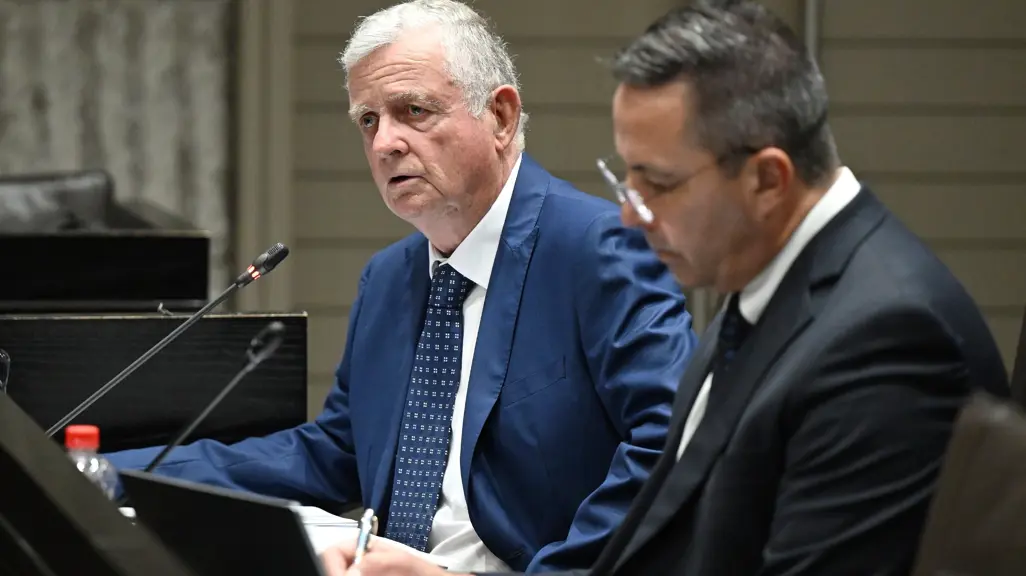
 Kenneth Ford, CEO of Sunshine Hospital, testified before Parliament’s Standing Committee on Public Accounts as it investigates the Road Accident Fund: Image Supplied
By Staff Writer: In the glare of Parliament’s inquiry into maladministration at the Road Accident Fund (RAF), a shadowy financial story from Benoni’s Sunshine Hospital is taking center stage.
The once-thriving facility, owned by Kenneth Ford, shut its doors twice — with the second closure final — over a bill that now soars past the R300 million mark.
The hospital’s owners say the debt is the invisible culprit behind a dramatic collapse that cost workers their livelihoods and left patients scrambling for care.
The fracture began in 2020, Ford told lawmakers, when the RAF accused Sunshine Hospital of submitting fraudulent claims. For years, the hospital and RAF had a direct-payment arrangement: the fund would settle road accident victims’ bills directly, a lifeline designed to steer patients away from overburdened state facilities.
But the partnership soured. The hospital’s owner asserts that despite cooperation, the RAF’s stance shifted, triggering a cascade of financial strain that proved unsustainable.
Sunshine Hospital first closed in April 2023 due to non-payment by the RAF. It briefly reopened later that year, only to shutter for good in June this year. The once-bustling facility, home to 170 employees, now sits silent, its hallways echoing with what-ifs.
Ford paints a stark picture of the debt’s toll: by the end of last month, 6,285 summonses have been issued for the RAF to settle its debt, and 647 judgments handed down by the courts, none of which have been paid.
The interest on the outstanding amount has swelled to more than R23 million, a financial burden he says was never meant to crush a community hospital.
The RAF’s complex accounting and collection processes, Ford suggests, created a debt that has proved almost impossible to recover through ordinary means.
His frustration is palpable: Their final conclusion which is the last page of that report, it confirms that they found nothing, and we are now five years down the line and we still don’t get paid.
The hospital’s collapse has left a void in patient care, particularly for those relying on quick, direct payment for road-accident victims.
Ford insists that if the RAF had paid what was owed, Sunshine Hospital would still be functioning, and the 170 staff would not be out of work.
One strategy in the face of non-payment has been to attach RAF property in lieu of the debt. Ford concedes it’s been a futile effort: it’s been futile to attach the RAF’s property in lieu of the debt, since it doesn’t cover even a fraction of what is owed to the now-defunct hospital.