
Subtotal R0,00

News/ 21 October 2025, 15:23pm/GoodWill Mathebula
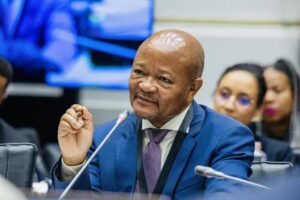 Senzo Mchunu: Image Supplied
By GoodWill Mathebula: Suspended Police Minister Senzo Mchunu minced no words about his role in the controversial removal of 121 case dockets from a task team probing political killings.
He told MPs that his December 2024 directive to disband the unit contained “no word, no word at all, about dockets,” and insisted the decision was administrative, not a gambit to shield criminals.
The elbow-to-elbow testimony, delivered on Tuesday, directly contradicted earlier statements from Shadrack Sibiya, the deputy national commissioner for crime detection, who asserted he dislodged the dockets because he “could not disobey an order from the minister.”
The evolving narrative has fractured the truth into competing versions, fueling fresh questions about interference, accountability, and the opaque loyalties within the SAPS.
Mchunu’s stark denial arrived as the committee probes into corruption and criminality in the justice system intensify. The inquiry runs in parallel with a Madlanga Commission led by retired judge Mbuyiseli Madlanga, emerging as the latest battlefield where senior police officials trade accusations of meddling and cover-ups.
The mounting tension springs from explosive claims made earlier by KwaZulu-Natal police commissioner Nhlanhla Mkhwanazi, who alleged that political figures and top officers colluded with criminal syndicates to undermine investigations into politically motivated murders.
At the Madlanga Commission, Mkhwanazi reiterated that the Gauteng-based “Big Five” cartel influenced the disbandment of the task team probing dozens of politically linked assassinations in the province. In Parliament, he pressed the charges, alleging that Mchunu and other senior officers halted sensitive investigations and shielded suspects from prosecution.
Sibiya, who implemented the directive to dissolve the unit, has consistently rejected Mkhwanazi’s version, framing the allegations as baseless and part of a power struggle for the national police commissioner post.
He testified that Mchunu’s directive made the dissolution of the task team “immediately” clear, describing the team as “elite” and “unaccountable.” Yet Mchunu’s recent testimony undercut this defense, implying that the deputy could have acted on an interpretation of the order rather than on a direct, ironclad instruction.
A key thread in the case is the alleged link between Vusimuzi “Cat” Matlala, a murder suspect, and North West businessman Brown Mogotsi. Mchunu forcefully denied any personal connection, stating, “I’ve never met Matlala alone. I’ve never met him in the company of [Brown] Mogotsi and possibly in any other capacity. He’s not somebody that I know. He’s not somebody that I’ve spoken to directly or indirectly.” He asserted that he had no direct or indirect dealings with Matlala.
This denial aligns with Sibiya’s earlier testimony, where he rejected links to Mogotsi or Matlala. The crime intelligence briefing head, Dumisani Khumalo, had presented WhatsApp messages at the Madlanga Commission allegedly tying the two to the disbandment.
Sibiya, however, questioned the messages’ authenticity, suggesting they could have been tampered with during Matlala’s bail proceedings. Nevertheless, Sibiya acknowledged knowing Matlala as a service provider within SAPS and indicated he had met to discuss tender contract issues.
Mchunu’s clarifications come amid broader concerns about leadership and loyalties within the SAPS. The testimonies of Mchunu, Sibiya, and Mkhwanazi have collectively deepened perceptions of a fractured leadership crisis, where factions within police leadership and intelligence circles contend with competing narratives.







