
Subtotal R0,00

Gauteng/ 18 October 2025,16:15pm/Staff Writer

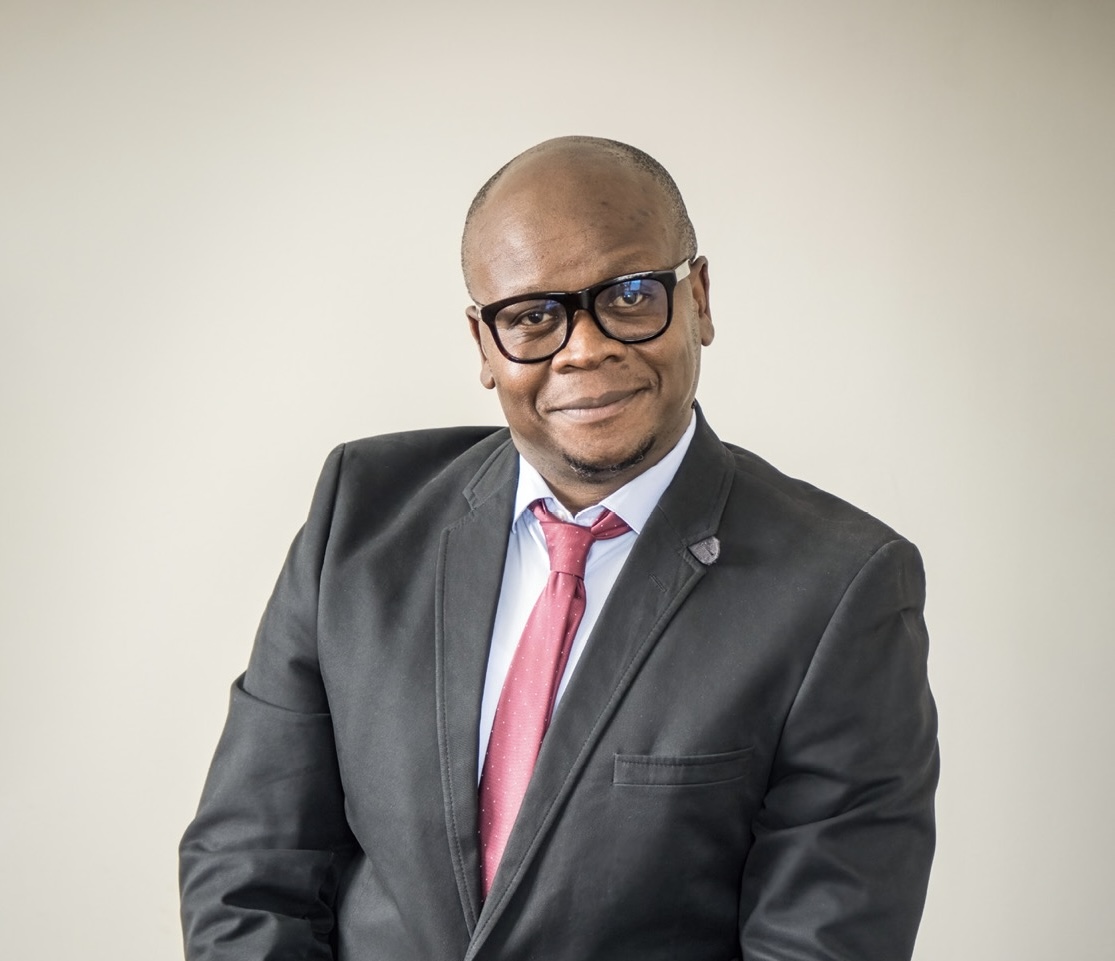
The late Tembisa Hospital CEO Dr. Ashley Mthunzi: Image Supplied
By Staff Writer: Health Minister Dr. Aaron Motsoaledi asserted this weekend that the late Tembisa Hospital chief executive officer, Dr. Ashley Mthunzi, remains tethered to a sprawling graft inquiry—despite his death last year. The stance reframes the hospital looting allegations as part of a broader, ongoing crusade against corrupt networks in the health sector, rather than a single-stroke case tied to a deceased figure.
Dr. Mthunzi, who died on April 24, 2024 after a short illness, has been named in an interim Special Investigating Unit (SIU) report released last month. The SIU’s probe, conducted more than a year after his passing, centers on alleged irregular tenders and inflated purchase orders that saddled the state with more than R2 billion in losses through Tembisa’s procurement processes.
The inquiry, as detailed in the interim findings, points to a web of syndicates led by businessmen Vusi “Cat” Matlala, Hangwani Maumela, and Rudolph Mazibuko, with hospital staff accused of complicity.
ALSO READ:
Ramaphosa says the video showing him outside Hangwani Maumela’s house is simply a coincidence
Motsoaledi’s remarks—made during a SAFM interview and echoed through multiple press briefings—seek to recalibrate the public understanding of accountability in cases where key actors are no longer alive to answer questions.
The minister’s rhetoric marks a deliberate shift: the state will pursue assets and colleagues implicated in the alleged corruption, regardless of the status of the individuals originally named in the report.
Mthunzi’s passing complicates the story, but Motsoaledi underscored that “the fact that he is late does not mean that the case is over, is closed.” In the minister’s words, the estate left by Mthunzi will be subject to confiscation to recover proceeds tied to the alleged malfeasance.
The SIU’s broader investigation into hospital procurement corruption has already produced high-profile outcomes. In Sandton, the agency confiscated Maumela’s state-of-the-art property, including three Lamborghinis, a powerful reminder that the state is serious about clawing back illicit gains.
Maumela, linked to the syndicate, is described by Motsoaledi as a close associate of political connections—an assertion he frames within a wider pattern of impropriety that touches senior officials and politically connected figures.
Motsoaledi also singled out a Tembisa hospital mid-level manager, alleging a personal gain of approximately R30 million through the syndicate’s schemes. The minister told reporters the funds have translated into a tangible portfolio of assets—houses and cars—that the SIU will pursue through its asset-recovery mandate.
“What has he done with that money? Obviously, he has bought a house and cars. All those things, the SIU will have to legally retrieve,” Motsoaledi said, warning that the ongoing investigations will extend beyond the initial findings collected before Mthunzi’s death.
Asked why former Gauteng Provincial Health Department chief financial officer Lerato Madyo was allowed to resign while facing allegations tied to the same report, Motsoaledi explained that there is no policy preventing resignations in such circumstances.
However, he stressed that Madyo would still face criminal accountability, noting that past disciplinary precedents show that accountability can extend post-resignation.
In a comparison drawn from a different government episode, the minister recalled a Namibian embassy incident involving a South African employee whose criminal conduct was pursued after resignation, eventually leading to an arrest—but not before the person’s death.
Although the SIU’s authority is limited to confiscation of assets, Motsoaledi clarified that criminal actions remain within the purview of the national justice system. “The SIU can only confiscate movable and immovable assets obtained through shoddy dealings with State money, but it does not have the power to institute criminal actions against the alleged perpetrators,” he said.
Consequently, disciplinary actions for provincial-level offenders may fall to provincial authorities, but in cases like Tembisa Hospital, Motsoaledi indicated the national department would play a coordinating role where implicated officials are civil servants across multiple government tiers.
The minister’s broader strategy includes a proactive information-sharing and capacity-building plan to prevent future corruption. The National Health Council, after meeting with health MECs, the SA Military Health Services, and metropolitan health authorities, has endorsed further steps to fortify governance within the sector.
A statewide workshop is planned where SIU representatives will educate CEOs and hospital leaders about the methods used by syndicates to corrupt procurement and how to detect and prevent such activity.
Meanwhile, the community around Tembisa Hospital continues to seek assurances that patient care remains the priority. Several healthcare workers have expressed concern that the focus on high-profile investigations should not overshadow day-to-day improvements in patient safety, staffing, and resource allocation.







