Subtotal R0,00

Education/ 16 October 2025,17:34pm/Linda Mgomezulu
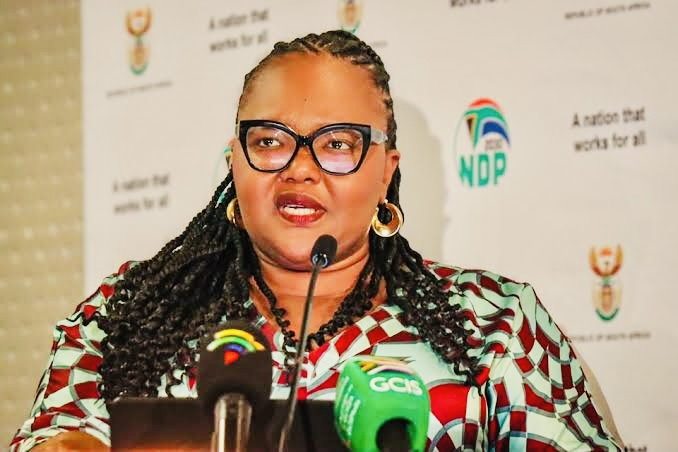
Basic Education Minister Siviwe Gwarube: Image Supplied
By Linda Mgomezulu: The Department of Basic Education (DBE) has fired back at a wave of misleading social media posts that claim learners without official documents cannot be admitted to public schools. The department says the claims are false, dangerous, and designed to sow fear among families who are navigating documentation issues.
In a statement that aims to calm nerves and set the record straight, Minister Siviwe Gwarube emphasized a fundamental pillar of education access in South Africa: no child may be denied schooling due to missing documents.
“This misinformation seeks to instigate negative attitudes against undocumented learners, including many South African children who may not yet have received their official documents,” said Minister Siviwe Gwarube.
The minister highlighted the legal framework that protects learners from discrimination based on documentation status, underscoring a commitment to inclusive education.
ALSO READ:
Free State Education’s MEC Maboya Unveils Game-Changing Agricultural Certification Program
“Under South African law, no child may be denied access to education due to missing documentation,” she stressed.
Gwarube pointed to the South African Schools Act (SASA), as amended by the Basic Education Laws Amendment (BELA) Act of 2024, which requires all public schools to admit learners without discrimination. She cited specific provisions to reinforce the message: schools exist to educate, not to police paperwork.
Section 5(1) of the amended act declares:
“A public school must admit, and provide education to, learners and must serve their educational requirements for the duration of their school attendance without unfairly discriminating in any way.”
Section 5(1A) further clarifies that learners may attend school even if their required documents have not yet been submitted, reflecting a pragmatic approach to ensuring continuity of education.
“Principals and schools cannot turn away learners because they do not yet have official documents such as birth certificates or identity cards,” Gwarube added. “Schools must advise parents and guardians to secure the necessary documentation while the child continues learning.”
The department also emphasized the administrative purpose behind asking for admission documents. While documentation may be requested for administrative reasons, it is not a gatekeeper of education.
“The purpose of requesting admission documents is purely administrative, to verify identity and guardianship not to determine eligibility for education.”
To dispel confusion and counter misinformation, the DBE outlined clear guidelines on what documents are required for various categories of learners. The tone is one of support for families while ensuring learners’ rights to education are protected.
Undocumented learners:** All learners must be admitted even without documents. Principals are required to assist parents in regularising the learner’s documentation to ensure no child is denied access to education.
Learners whose parents are foreign nationals:** Admission requires the learner’s foreign birth certificate and passport, a valid study visa or residence permit, and the parents’ passports and visas or permits. These documents help verify identity and lawful residence.
Learners whose parents are refugees or asylum seekers:** Schools should obtain the parent and learner’s asylum seeker or refugee visas, the learner’s birth certificate (if born in South Africa), and a long-term visa to be submitted within three years. This verifies the learner’s legal protection status.
Learners in alternative care:** A court order granting guardianship or custody and the learner’s unabridged birth certificate are required. These documents confirm the lawful care arrangement.
Learners with South African parents:** Schools require an unabridged birth certificate, the parent(s)’ South African ID or ID card, and, if applicable, death certificates of deceased parents. These documents confirm the learner’s identity and parentage.
Educators, parents, and guardians are urged to stay informed through official DBE channels and to contact school principals if there are questions about documentation requirements.