Subtotal R0,00

Politics/ 14 October 2025, 18:59pm /GoodWill Mathebula
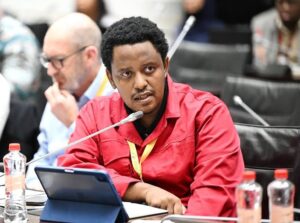
Sinawo Thambo:Image Supplied
By GoodWill Mathebula: The Economic Freedom Fighters (EFF) found itself navigating a delicate fallout after its spokesperson, Sinawo Thambo, publicly retracted a series of online statements against Kenny Kunene, the deputy leader of the Patriotic Alliance. The move, announced in a brief post on X (formerly Twitter) on Tuesday, 14 October 2025, comes amid a web of legal threats and defiant denials that exposed the fault lines between two of South Africa’s coalition-era political personalities.
Thambo’s social media note — a carefully worded withdrawal of posts dated 8 and 10 October 2025 — carried a simple, yet significant, sentiment: “I withdraw posts made on 8 and 10 October 2025 about Mr Kenny Kunene and apologise for any harm caused. Ends.” The phrasing, terse and almost clinical, left little room for ambiguity: the online allegations were retracted, and remorse was professed.
Observers note that the timing of the apology coincides with escalating pressure from Kunene’s legal team, who reportedly gave Thambo 48 hours to delete the posts and issue a public apology or face court proceedings. The ultimatum underscores how quickly a political quarrel can pivot from online rhetoric to courtroom maneuvering.
The controversy began with a charge that Kunene had bailed out Molefe, a figure identified as Katiso “KT” Molefe, who is linked to the murder of musician DJ Sumbody. Thambo’s posts accused Kunene of paying R400,000 in bail for Molefe — a claim Kunene’s lawyers have publicly rejected as “false and malicious.”
The legal letters and statements issued in the wake of the dispute framed the matter as a reputational assault rather than a mere online squabble. Kunene’s representatives described Thambo’s comments as defamatory, unfounded, and damaging, painting Kunene as “a corrupt individual involved in criminal activities.” They further rejected a separate claim alleging that Kunene had awarded Rea Vaya bus tenders to Molefe as “baseless and harmful.”
“The posts are full of lies meant to destroy our client’s name,” read the legal letter dated 11 October 2025. In a language familiar to political watchdogs, the letter insisted that the allegations created “a false and damaging picture” of Kunene’s character and alleged associations.
What emerged is a two-front battle: a swift retraction on social media and a strategic legal response from Kunene’s team. For critics of public figures, the episode underscores a fragile boundary between political advocacy and the personal, reputational risk that accompanies online discourse.
On one side, the EFF faced criticism from opponents who argued that even if the posts were retracted, the harm to Kunene’s reputation could linger in the public imagination.
On the other side, Kunene’s camp pressed for not only a withdrawal but a formal apology, paired with assurances that libelous claims would no longer circulate.