Subtotal R0,00

Mpumalanga/ 26 September 2025, 19:13pm /Mathews Wilson
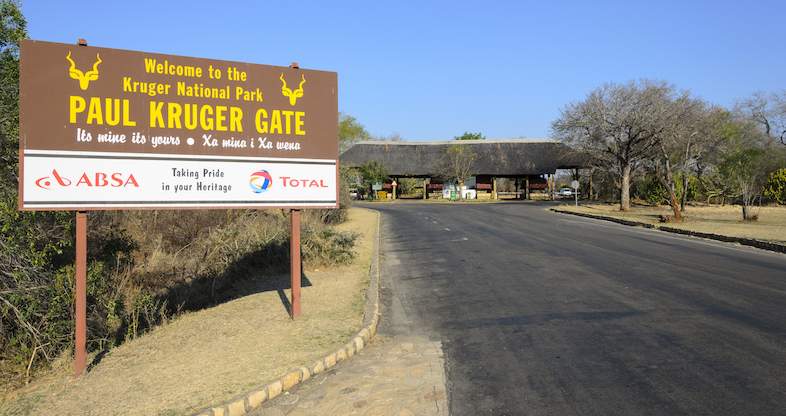
By Mathews Wilson: In a week already charged with commemorations, Mpumalanga’s Heritage Day has become a flashpoint as the province’s legislature considered a motion to rename two emblematic landmarks—the Kruger National Park (KNP) and the Kruger Mpumalanga International Airport near Mbombela. The move, critics say, would cleanse history rather than celebrate it, and it has unleashed a wave of political and public reaction that stretches far beyond the borders of the province.
But the legal rails are starkly clear, the province cannot unilaterally rename national institutions. National law and a pair of government handbooks govern the process, requiring cumbersome steps and broad public engagement before any change could be effected.
The Mpumalanga legislature is not empowered to rename national entities on its own. The authority for such changes lies with national channels and established procedures.
The South African Geographical Names Council Act, together with the government’s Geographical Names Handbook, sets out the path, any proposal must be directed to the Minister of Sport, Arts and Culture, and there must be public discussion before a decision is made.
“The legislature does not have the legislative mandate to change names. This has to be done in terms of pre-determined processes that must involve public participation,” Agriculture Minister John Steenhuisen stated.
The public square was abuzz with opinions after the motion was introduced by EFF MPL Rhulani Qhibi, who framed the debate as a lens on how South Africans reckon with heritage in a post-apartheid era. He asked, “how do we celebrate our heritage as South Africans when we still have our national parks named after the father of apartheid, Paul Kruger?”
The discourse extended into media platforms and political think-tanks. Michael Catterson, a commentator on 91.9 FM’s Travel and Tourism Show, offered a cautious note: “The Kruger National Park is an iconic destination. It represents South Africa in the best possible way. That’s why, when it comes to the proposed name change, I disagree. It’s not because I don’t support transformation, but because the Kruger National Park is internationally known. It’s a place millions of tourists dream of visiting. Changing the name would affect more than just signage. It would change the park’s identity, its global recognition and even its character.”
The debate has not been limited to policy and tourism impacts. Bennie van Zyl, chair of the Transformation and Leadership Union (TLU), offered a philosophical critique, suggesting a broader cultural and historical reckoning. “It is a sad story that people ‘were uninformed and lived in their own world’,” he said, pivoting to a wider narrative about national belonging and history. He argued that “black people, just like the white people, were second-generation citizens in South Africa,” challenging the framing of historical ownership and the implications for present-day policy.
Van Zyl pressed for a future-focused mindset: “There are so many arguments from the EFF and others, but then all of us have to leave – black and white. It doesn’t work like that anywhere else in the world where you try to rewrite history.” He urged restructuring priorities toward economic growth and infrastructure rather than memorializing the past through name changes. “They are building nothing for the future and want to dwell in the past. Why don’t they build new things and name them what they want?” he said.
Amid the chorus of opinions, AfriForum and allied groups drew a line in the sand about heritage preservation. AfriForum CEO Kallie Kriel argued that anti-Afrikaner elements in the ruling elite are pushing to rewrite history, while organizations within the Solidarity Movement—FAK and others—remain steadfast in protecting Afrikaner heritage. “We continue to build with the knowledge that builders will always defeat destroyers,” Kriel asserted, signaling a broader cultural battle over who controls historical memory.
On Heritage Day itself, the debate touched on a more reflective note. Kriel invoked Paul Kruger’s legacy as a touchstone for how South Africans might navigate heritage with an eye toward constructive innovation. He paraphrased what he described as “Uncle Paul’s message,” urging a balance between respecting a storied past and using it as a foundation for future-oriented development. “We must take what is good from the past and build the future on it,” he said, framing the day’s reflection as a call to pragmatic reconstruction rather than symbolic revision.
As national authorities restate the musts of proper procedures, the Mpumalanga agreement on naming remains in limbo. The Geographical Names Act and related guidelines imply a drawn-out process—one that would require formal proposals, public consultation, and ministerial sign-off before any renaming could occur.
Policy experts caution that public sentiment, media narratives, and political leverage can accelerate or derail such proposals. Beyond the immediacy of Heritage Day headlines, the episode highlights enduring questions about how post-apartheid South Africa negotiates memory, sovereignty, and the power of symbols in shaping national identity.