Subtotal R0,00

KwaZulu-Natal/ 15 September 2025, 07:18am/ Staff Writer

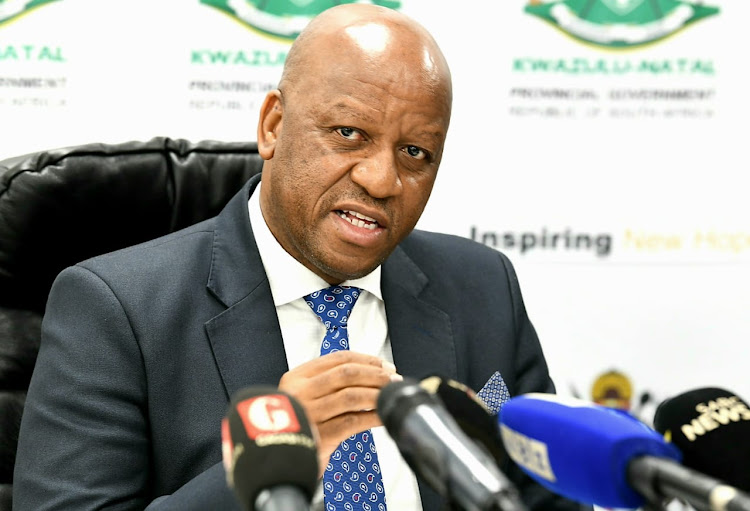
KwaZulu-Natal Premier Thamsanqa Ntuli: Image Supplied
By Staff Writer: KwaZulu-Natal Premier Thamsanqa Ntuli rolled out a marching order to strengthen classrooms, science labs, and mobility for learners in Zululand District. With Education MEC Sipho Hlomuka by his side, Ntuli framed the day as not just a ribbon-cutting exercise, but a strategic gamble on the province’s future: better schools, better opportunities, and a more dignified life for every pupil.
The spotlight fell on Siqalukubona Secondary School as Ntuli inaugurated a brand-new science laboratory worth R810,000. The facility, designed to bolster mathematics and science teaching, is pitched as more than pipes and benches: it’s a launchpad for practical skills that could steer students toward tertiary study and careers in science, technology, and innovation.
“Support for special needs education” could become the headline for what follows, but the science lab signals the province’s readiness to reframe how learning is imagined in rural corridors and crowded classrooms alike.
In a move that resonates with families across the district, Ntuli handed over two mobile classrooms and a vehicle valued at R1 million to Siphosethu Special School. The aim is simple yet transformative: reduce overcrowding, improve accessibility, and meet the mobility needs of pupils with special educational requirements. By bringing classrooms closer to students’ homes and ensuring they can attend without the friction of distance, the province is testing a practical solution to chronic space shortages.
“These facilities are about more than bricks and mortar; they are about restoring dignity, creating opportunity, and building a province where every child, regardless of background, has a fair chance to succeed,” Ntuli stated, framing infrastructure as a social equalizer rather than a luxury.
He underscored that education funding remains a central pillar of KwaZulu-Natal’s development blueprint. “Every investment we make in education is an investment in the future of KwaZulu-Natal,” the premier added, echoing a broader philosophy that public investment in schooling is the scaffold of provincial growth.
The day’s momentum came on the heels of a recent wave of investments, including the opening of two state-of-the-art schools in Newcastle last month. The Newcastle openings are presented as proof of ongoing commitment to education, even as the provincial government navigates financial pressures. The larger narrative is not just about new buildings, but about a reimagined school system that blends physical infrastructure with a renewed focus on quality teaching and learning outcomes.
Ntuli’s visit is also a case study in governance that blends top-down leadership with bottom-up participation. Under the District Development Model (DDM), Operation Sukuma Sakhe has become a vehicle for inclusive governance, channeling residents’ voices into concrete actions. The premier’s remarks at KwaDweshula village—where residents raised pressing local issues directly with provincial leadership—underscore a governance model that treats dialogue as a strategic instrument rather than a ceremonial gesture.
Beyond school walls, Ntuli’s agenda touched on food security through community gardens in the area. These gardens, he noted, contribute to household nutrition and empower communities through sustainable farming practices—an acknowledgment that education and food security are complementary pillars of social stability.
In Umzumbe Local Municipality, the focus shifted to public safety. Ntuli met with community safety structures to discuss crime prevention strategies and ways to strengthen collaboration between communities and law enforcement, signaling a holistic approach to community well-being that extends far beyond the classroom.
The premier reframes school investment as a nation-building exercise: not merely about new facilities, but about dignity, opportunity, and fair beginnings for every child.
The strategic pairing of science infrastructure with mobile classrooms speaks to a pragmatic response to rural education challenges: accessibility, practicality, and relevance.
Community engagement is presented not as an afterthought but as a core governance mechanism that translates resident concerns into tangible outcomes.