Subtotal R0,00

Gauteng/ 13 September 2025,07:46am/GoodWill Mathebula
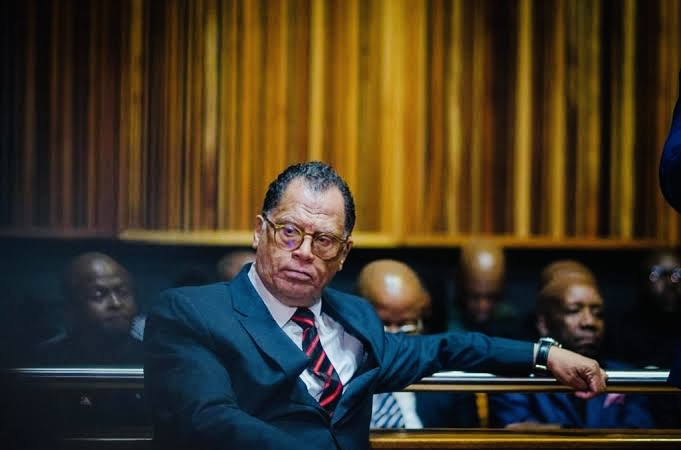
By GoodWill Mathebula: State prosecutors disclosed compelling new evidence in the ongoing fraud case against South African Football Association (Safa) president Danny Jordaan, along with co-defendants Groni Hluyo and Trevor Neethling, during a session at the Palm Ridge Magistrate’s Court on Friday. The revelations, prosecutors said, effectively thwart attempts by the trio to have the charges withdrawn.
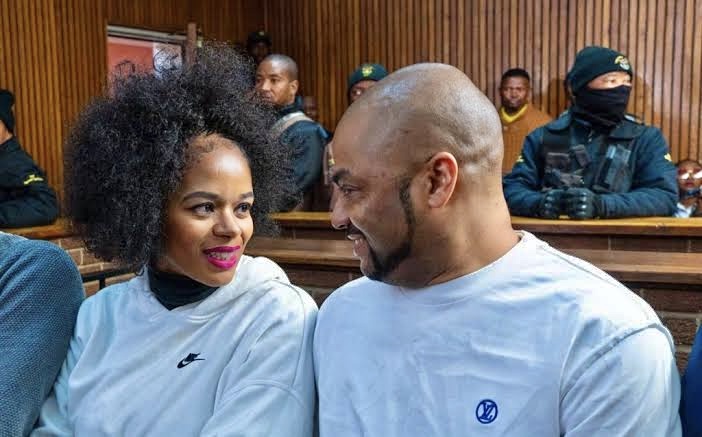
The case, which has kept South African football and its governance in the headlines since November 2024, centers on alleged misappropriation of Safa resources amounting to approximately R1.3 million. Jordaan, Safa’s president, HoLuyo, and Neethling, a businessman, are facing multiple counts of fraud, theft, and conspiracy. They have maintained their innocence and sought to have the charges dismissed through various legal representations.
During the court appearance, prosecutor Moagi Malebati outlined what he described as a decisive breakthrough: 64 gigabytes of new evidence had emerged, providing substantial traction to the state’s case. Malebati said the new material came to light after deeper scrutiny of the email correspondence that the defense had attached to its representations to support their application to withdraw the charges.
“After we received the accused’s representation, we realised that the emails attached in support of their application were selective. They did not paint the full picture,” Malebati explained, signaling that the state found gaps in the defense’s narrative.
The breakthrough, according to Malebati, came when Afrihost, the hosting provider for Safa’s email data, complied with a section 205 subpoena. The retrieved data spanned from 2017 to the present and, the prosecutor claimed, provided a broader and more telling view of the communications surrounding the alleged scheme. “This provided us with more evidence for this matter,” Malebati stated, underscoring the comprehensive nature of the data obtained from the hosting service.
The session also clarified shifts within the prosecution leadership. The decision to reject the defense’s representations was made by Livingston Sakata, the acting South Gauteng Director of Public Prosecutions, who was appointed after the suspension of former director Andrew Chauke in June 2024. The ruling was delivered after a period of strategic uncertainty within the state’s office.
Defense counsel voiced their grievances with the proceedings. James Ndebele, representing Neethling and his company Grit Communications, said he had sought a meeting with Sakata before the decision but received no response. “We were practically ambushed with documents which were not disclosed to the defence,” Ndebele contended, signaling ongoing tensions over ostensibly undisclosed materials.
Victor Nkwashu, who defends Jordaan and Hluyo, challenged the prosecution’s stated readiness to proceed to trial. He pointed to inconsistencies in statements by the acting prosecutor about whether investigations remained active. He also highlighted unresolved high court applications that challenge certain search and seizure operations conducted at Safa House, arguing these issues could affect the trial’s trajectory.
Despite the defense’s assertions of ongoing investigations and the contested search and seizure legal questions, Malebati asserted that the state was prepared to advance with a substantial case. “Our case is ready. With or without such decision information, we are prepared,” he insisted, signaling the state’s confidence in its evidentiary foundation.
Magistrate Soko-Rantao subsequently postponed proceedings to November 21, 2025, directing the prosecution to provide a progress report on outstanding issues. The adjournment appears designed to give both sides additional time to address the newly disclosed materials and to navigate the legal questions surrounding the high court applications.
The case sits at the intersection of sports governance and criminal accountability, a topic of intense public interest in South Africa. Danny Jordaan, a prominent figure in Safa and a former key organizer of significant national and international football events, has repeatedly defended his role in Safa and denied the charges, while prosecutors maintain that the evidence supports a serious financial wrongdoing.
As the court prepares to review the new data and the various applications and motions still pending, observers say the proceedings could set important precedents for how such cases are handled in the South Gauteng jurisdiction, particularly regarding the handling of electronic communications evidence and the scope of high court challenges to lawfully conducted searches and seizures.
The parties are due back in court in late November, by which time prosecutors are expected to provide the requested progress report, and the defense will likely attempt to challenge the scope and relevance of the newly disclosed 64 gigabytes of data.