Subtotal R0,00

Free State/ 26 August 2025, 13:43pm/Sipho Gumede

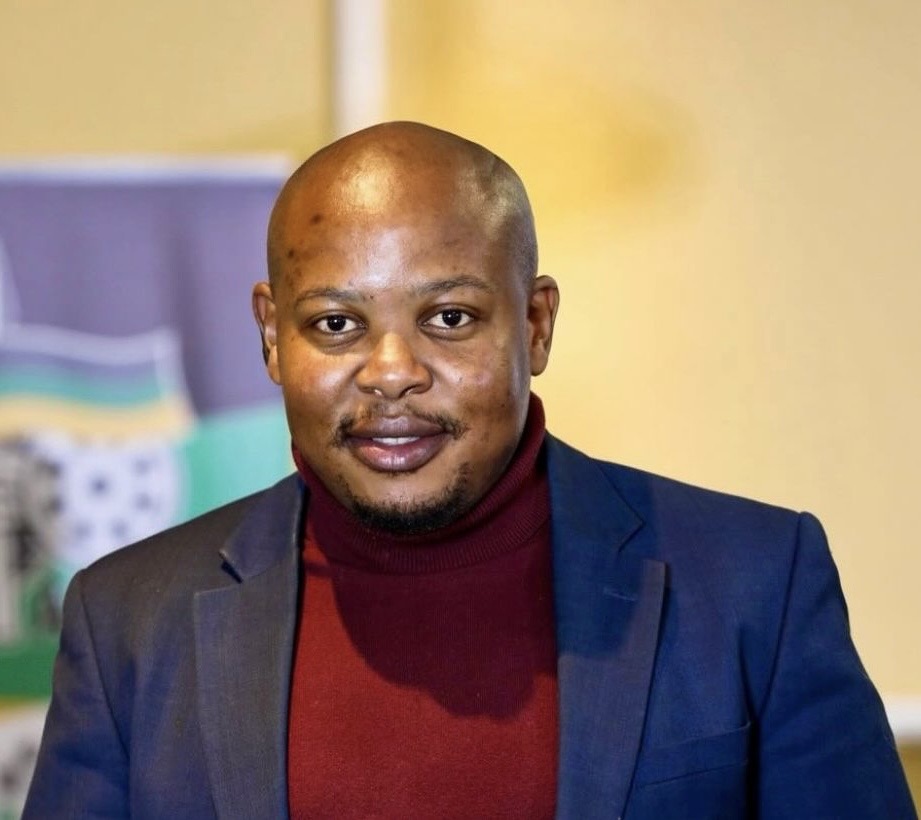
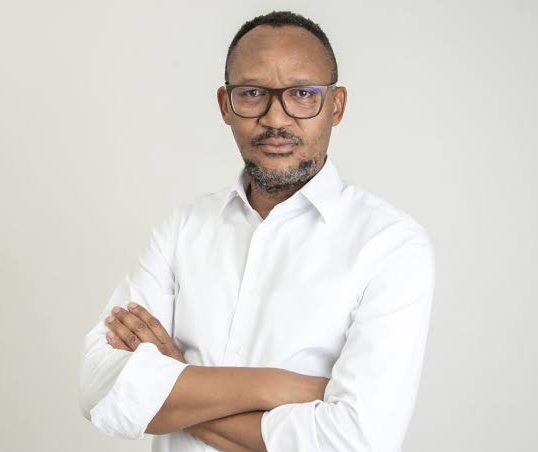
Mangaung Metro Spokesperson Qondile Khedama: Image Supplied
By Sipho Gumede: A storm swept through Mangaung Metro Corridors when the South African Municipal Workers’ Union (SAMWU) pressed a dramatic demand onto the city’s agenda: accountability at the highest echelons of municipal leadership. The union had already signaled its intentions with a call for urgent engagement with the City Manager and the Head of Department (HOD) Corporate Services to address what it described as “unlawful behavior” by a senior official in the Communications department.
The long-awaited meeting occurred on 22 July 2025 at 12:00 in the City Manager’s Boardroom—a session that has since become a litmus test for how the city handles allegations of workplace harassment, due process, and power abuse. Yet as of publication time, the municipality had not provided any formal public response, leaving residents and workers alike to speculate about outcomes and the path forward.
This was no routine quarterly briefing. It was a high-stakes confrontation that brought workers’ rights, gender-based misconduct, and governance into sharp relief. SAMWU representatives walked into the Boardroom with a hard-edged agenda: transparent, fair processes are non-negotiable when allegations of harassment and unlawful suspension surface in the workplace. At the core of the union’s grievances was a female employee who was reportedly suspended by Communications General Manager Qondile Khedama without a hearing, amid allegations of coercive or exploitative conduct. The meeting magnified the call for an interim protective framework for the complainant and a clear timeline for due process.
What emerged—and what SAMWU sought to clarify in a closed-door session and in subsequent public discourse—was twofold:
It is alleged that Qondile Khedama suspended a female employee after she refused to enter a romantic relationship with him. This claim centers on suspension without due process, raising questions about disciplinary norms and worker protections.
An anonymous municipal source alleged that this was not the first instance of harassment by Khedama toward female employees, implying a broader pattern and casting doubt on the department’s cultural climate.
The juxtaposition of these claims—alleged unlawful suspension and alleged sexual harassment—placed Khedama at the center of a mounting crisis of trust. The union and affected employees argued that due process must govern any disciplinary action and that workplace safety, dignity, and autonomy are non-negotiable.
In its formal communication surrounding the meeting, SAMWU laid out three pillars designed to anchor accountability and restore worker confidence:
An immediate, transparent, and independent investigation into the alleged misconduct by Qondile Khedama.
Interim protections for the complainant and potential witnesses, including suspension of the implicated employee if necessary, but always in alignment with due process.
Robust measures to prevent retaliation against anyone who comes forward, paired with clear, timely communication about disciplinary procedures and projected timelines, plus a public report detailing findings and concrete corrective actions to eradicate harassment and unlawful conduct.
SAMWU’s emphasis on due process, transparency, and whistleblower protection reflects a growing South African workplace ethos: leadership must model ethical behavior and enforce gender-based protections without exception.
Public reaction has been sharply divided, mirroring broader debates about governance, workplace safety, and the integrity of municipal processes.
Workers praised SAMWU for foregrounding workers’ rights and gender protections, arguing City Hall must show zero tolerance for harassment and uphold fairness and due process regardless of rank.
Skeptics urged patience, cautioning against drawing conclusions before an independent investigation’s results are in and emphasizing the need to protect reputations until facts are established.
The case also carries political weight: it could become a touchpoint in ongoing debates about governance, transparency, and culture within municipal departments. Public trust hinges on credible, timely disclosure of the investigation’s scope, progress, and outcomes.
The meeting achieved its immediate objective—elevating the issue to the highest levels of city leadership—but the lack of a formal public response from the City Manager or the HOD Corporate Services has eroded public confidence. In workplaces where women’s safety and empowerment are at stake, silence can feel like a breach of trust.
In response to the sexual harassment allegations, Mangaung Metro City Manager Sello More said he is aware of the allegations and that the municipality has addressed the matter.
“We acknowledge receipt of your inquiry. The municipality, in line with its legal obligations and internal processes, conducted a formal grievance hearing on 22 July 2025 under the SALGBC Main Collective Agreement. The grievance process has been fully concluded, with the matter resolved to the satisfaction of all relevant parties, including the union. Importantly, during the proceedings, no evidence substantiated the allegations of sexual harassment against Mr. Khedama. The Municipality remains committed to fairness, due process, and a safe working environment for all employees. Any grievance brought to our attention is treated with seriousness and addressed in accordance with established labour-relations protocols. This clarifies the matter,” said More.