Subtotal R0,00

Gauteng/ 25 August 2025, 08:13am/Themba Molamu

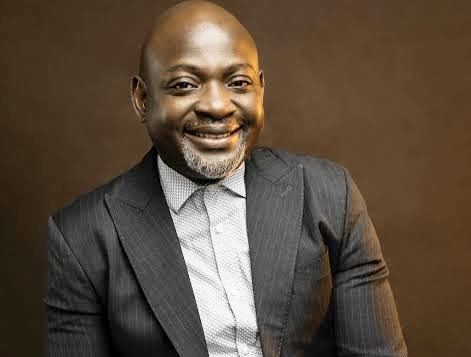
Dr Collen Mashawana: Image Supplied
By Themba Molamu: In a show of strong support for one of South Africa’s leading community builders, the South African NPO Council has come out in defence of Dr Collen Mashawana amid his legal fight against the Daily Maverick and journalist Pieter-Louis Myburgh. This backing highlights the wider concerns about how media reports can harm the non-profit sector without solid proof.
Mashawana, a respected businessman and philanthropist, filed his lawsuit in the High Court of South Africa, Gauteng Local Division, Johannesburg, under case number 2025-143908 on 21 August 2025. He is the plaintiff, with the Daily Maverick and Myburgh as defendants. The action stems from a string of stories that tried to tie his Collen Mashawana Foundation (CMF) to alleged wrongdoing at the Independent Development Trust (IDT), including unpaid workers and links to the suspended IDT CEO Tebogo Malaka’s personal property.
Mashawana has earned praise over 13 years for his hands-on work in uplifting poor communities. Through CMF, he has built homes, created jobs, provided clean water, supported schools, and helped those in need across the country. He is also known for his close ties to community leaders and his honorary Doctor of Philosophy degree from UNISA in 2024, which recognised his efforts in philanthropy. Yet, recent reports have painted him in a bad light, suggesting corruption in the Expanded Public Works Programme (EPWP). Mashawana calls these claims false and harmful, based on weak links and ignoring the real impact of his work.
Dr Collen Mashawana started CMF to make a real difference in people’s lives. The foundation runs projects that focus on sustainable change, like job training and community building. Mashawana plays a big-picture role, guiding the strategy, while the day-to-day work is handled by his team, including COO Austin Mashawana and Financial Manager Ntombi Mavuso. He is also a father, sharing a child with well-known actress and musician Thembi Seete, and keeps strong community ties, including friendships with leaders like EFF’s Julius Malema, who has spoken at CMF events to support upliftment causes.
The EPWP is a government plan under the Department of Public Works and Infrastructure to create short-term jobs for the unemployed. The IDT, a public body, picks NPOs to run these jobs on the ground. In July 2024, the IDT called for tenders in an open process. CMF applied and was picked for five provinces—Gauteng, Limpopo, North West, Free State, and KwaZulu-Natal—along with over 400 other NPOs nationwide. This let CMF hire nearly 2,000 workers for eight months, from August 2024 to March 2025. These workers cleaned streets, parks, rubbish dumps, and public spaces, earning about R1,700 a month on average, based on days worked.
The IDT sent funds to NPOs like CMF mainly for worker wages, with under 3% for admin, UIF, and bank fees. Payments depended on verified attendance, not fixed salaries. CMF had offices and teams in each province to help workers and keep things running well. The IDT did regular checks, audits, and visits, and found no issues. Despite this, stories claimed CMF got R60 million and misused it, but CMF says the real amount was far less, around R23 million in transfers, and all was used right.
Suspended CEO Tebogo Malaka and a spokesperson were caught on video trying to bribe Myburgh with R60,000 in a Dior bag to stop a story. This led to Malaka’s quick suspension and charges by Public Works Minister Dean Macpherson, who called it an attack on free press and promised to clean up corruption.
The focus then shifted to CMF, claiming workers in places like Kgotsong in Bothaville, Free State, and Vhembe district in Limpopo went unpaid for months. Some took cases to the Commission for Conciliation, Mediation and Arbitration (CCMA). In April 2025, the CCMA said CMF owed nearly R1.7 million to a group of workers for five months’ pay. CMF has asked for a review, saying those workers were let go by the IDT in October 2024 and replaced, with proof shared with reporters. Delays came from wrong data, system failures, cash shortages at pay points, and budget shifts, not theft.
More claims said Mashawana sent R200,000 to Two Putswa Construction, a firm linked to his family, which built Malaka’s R16 million home in Waterkloof, Pretoria’s Waterfall Country Estate. Reports suggested Mashawana acted as project manager and that this was a kickback from EPWP funds. But CMF denies any link to Malaka or the house, saying Two Putswa is just a client for building supplies, and they had no idea about the property’s owner. Satellite images and records showed building started after IDT payments, but CMF insists no EPWP money went there.
Speculative stories also tried to link Mashawana to politicians like former President Jacob Zuma, President Cyril Ramaphosa, Deputy President Paul Mashatile, Gauteng Premier Panyaza Lesufi, MEC Lebogang Maile, and EFF leader Julius Malema. Some even claimed EPWP worker details were misused to register the MK Party with forged signatures, or that Mashawana pushed for a union called MAVUSA with Zuma. CMF calls these baseless smears, meant to drag in politics without facts. Critics point out the Daily Maverick gets funding from a Capitec founder who supports the DA, raising questions about bias. The probe took eight months, yet relied on what Mashawana calls “circumstantial” hints.
These tales painted a grim picture: poor workers cheated, funds missing, and public cash building luxury homes. But Mashawana says it’s all twisted, ignoring how his foundation has changed thousands of lives without political favour.
On 10 August 2025, CMF put out a strong statement: “The Collen Mashawana Foundation (CMF) strongly refutes the misleading implications published in a recent Daily Maverick article, which seeks to connect the Foundation’s implementation of the EPWP to alleged irregularities involving the suspended IDT CEO, Ms. Tebogo Malaka.”
They stressed the open tender, full checks, and no findings from IDT. CMF opened up for a three-hour interview in Johannesburg, sharing all details. But they say talks with Myburgh turned to threats and bad behaviour. COO Austin Mashawana added: “We remain proud of the work done through the EPWP and the positive impact it continues to make in the lives of ordinary South Africans. The Foundation stands by its record of ethical implementation, community upliftment, and financial accountability. We will not allow this article to distract us from serving our people with dignity, compassion, and professionalism.”
Two Putswa also denied wrongdoing, saying supplies were sold normally, with no knowledge of links to Malaka.
Insights from the Court Documents
Mashawana tried to settle without court. On 14 August 2025, his lawyers sent a demand letter calling the stories defamatory and asking for an apology, pull-back, and proof. The reply on 15 August was brushed
off, saying it lacked details—a move Mashawana sees as dodging the real issues.
His court papers call the attacks “relentless and calculated,” aimed at ruining his name. He points to a paid press briefing set for 28 August 2025 as a “monetized propaganda exercise” to spread more harm for profit. The damage is already big: lost business deals, pulled support for CMF projects, and harm to his dignity and work. He says it’s urgent because normal court time would let the hurt grow too much, making any win empty.
Mashawana invited real probes by police but rejects “trial by media” where truth gets ignored. He warns that without quick court help, the harm to his life and philanthropy will be permanent.
The South African NPO Council has publicly defended Mashawana, calling the attacks on him “misguided and harmful to the credibility of the non-profit sector.”
In its statement, the Council affirmed that CMF’s EPWP work was “transparent, fully compliant, and transformative,” warning that reckless journalism risked discouraging partnerships between reputable NPOs and government.
“We cannot allow reckless journalism to erode trust in the many NPOs who dedicate their lives to uplifting society. Dr. Mashawana has been at the forefront of ethical implementation for over a decade, and his reputation must be protected from unfounded allegations,” the Council said.