Subtotal R0,00

Gauteng/ 16 August 2025, 15:05pm /Staff Writer

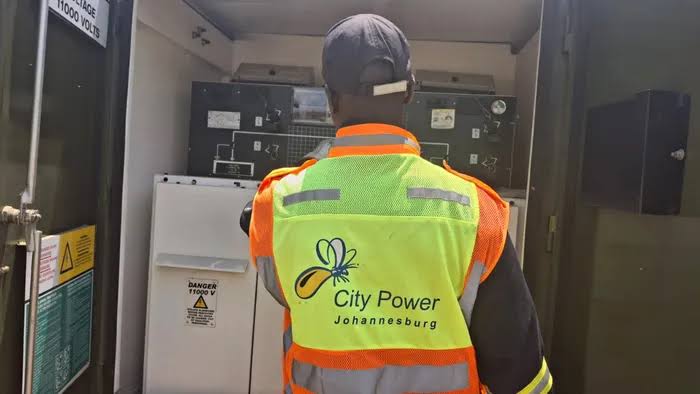
City Power Employee: Image Supplied
By Staff Writer: City Power has signaled door-to-door visits to homes as part of efforts to verify electricity purchases from vendors. The announcement reframes the utility’s mandate from simply restoring power after outages to building a more tightly controlled and auditable revenue stream, a change that is drawing mixed reactions from residents, watchdog groups, and business leaders alike.
City Power says the new process is required to combat illegal connections that damage infrastructure and cost millions. Officials argue that a cleaner, more verifiable system will ultimately lead to more stable service for paying customers, even as the plan raises questions about privacy, consent, and the practicalities of enforcement in densely populated neighborhoods.
The utility explained that outages might extend until it determines that 80% of customers are up-to-date with their bills. This stipulation places a direct emphasis on payment verification as a precondition for outage restoration, underscoring a shift toward a revenue-management framework that some observers say risks turning outage response into a policing mechanism.
City Power spokesperson Isaac Mangena laid out the operational concept behind the door-to-door checks, stressing that the initiative is a response to a pattern of illegal connections and the strain they place on the grid. The statements framed the policy as a necessary safeguard for the broader electricity system and for those who pay their bills on time.
From now on, after replacing a mini-substation or transformer, city power will conduct comprehensive meter audits before restoring power. Our teams will go door-to-door to assess customers’ electricity purchasing history, verify vending records, and confirm purchases from reputable vendors. Customers are urged to keep receipts or other proof of monthly electricity purchases.
The policy, Mangena suggested, would ensure that the purchasing history aligns with the invoicing and vending records, a step the utility argues is essential to maintaining grid reliability and protecting the financial footing needed for ongoing maintenance and upgrades.
In parallel with the door-to-door checks, City Power has intensified its public-facing campaign against illegal connections. On Thursday, a coordinated operation in the CBD brought together the Johannesburg Road Agency and the Johannesburg metro police to crack down on unlawful connections and unsafe wiring. City Power described the operation as a key component of a broader strategy to eliminate vulnerabilities that threaten the city’s electricity distribution system.
Mangena provided a clear accounting of the scope of the crackdown: 62 buildings are suspected to be hijacked, while 122 are in violation of the city’s bylaws. He noted that many of these buildings are structurally compromised, with makeshift wiring, overcrowded spaces, and unstable partitions.
“These buildings are unlawfully connected to the grid, posing significant and deadly risks, not only to those who illegally tap into the network but also to the safety and stability of the entire electricity grid serving law-abiding residents, businesses, and factories,” said Mangena. He warned that illegal connections place excessive pressure on the network, which can lead to infrastructure failure and explosion. “The theft of electricity from these illegal connections also results in massive financial losses for City Power, depriving us of the funds needed to maintain and upgrade critical infrastructure for reliable service to paying customers.”
Critics say the plan raises concerns about civil liberties and the practicalities of enforcement, particularly in rental properties, multi-tenant residences, and informal settlements where residents may be wary of unannounced visits. Privacy advocates caution that door-to-door audits must be conducted with clear regulatory safeguards, transparent oversight, and channels for residents to appeal or verify the legitimacy of inspectors and procedures. Questions have also been raised about the voluntariness of participation; while City Power described the checks as a means to reduce non-payment and unverified vending, residents and tenant associations are keen to understand the boundaries of consent and the recourse available if they believe they are being misclassified or unfairly targeted.
In presenting the broader rationale, City Power emphasized that the objective is not merely to identify non-payments but to ensure that every customer benefits from a stable and reliable electricity supply. Officials stress that the insistence on receipts and proof of monthly purchases is intended to facilitate quicker verifications and reduce disputes over billing accuracy.
The new approach also highlights the tension between public safety and individual rights. Supporters argue that illegal connections threaten all users and must be rooted out to protect the grid and prevent catastrophic failures. Detractors contend that the policy could become a coercive tool that disproportionately affects vulnerable residents who may already face financial hardships or who rely on informal vendors for affordable electricity.
City Power has urged residents to cooperate with inspectors and to prepare relevant documents, including receipts or other proof of monthly electricity purchases, to expedite verifications. The utility stressed that participation in the door-to-door checks is voluntary, but officials warned that non-cooperation could delay service restoration after outages.