Subtotal R0,00

Politics / 06 August 2025, 17:20pm/Staff Writer
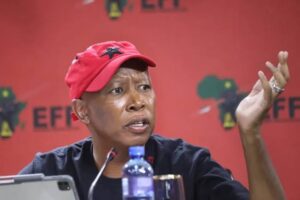
EFF President Julius Malema: Image Supplied
By Staff Writer: The National Prosecuting Authority (NPA) has announced it will not pursue criminal charges against opposition leader Julius Malema in connection with a controversial video depicting an alleged animal cruelty incident.
The case centers around a widely circulated footage from 2023, in which Malema appears to attempt to slaughter a cow during a public event. The video, which sparked outrage among animal welfare advocates, was scrutinized by the National Council of SPCAs (NSPCA), who argue that the act contravened South Africa’s Animals Protection Act by causing “unnecessary suffering” to the animal.
Despite the NSPCA’s efforts to bring the matter to justice, the NPA revealed that it had decided against pressing charges, citing insufficient evidence to meet the threshold of “beyond reasonable doubt.” In a statement, the NPA explained that “the prosecution would not be able to adduce sufficient evidence to prove beyond reasonable doubt” that the law had been broken. Concerns over the “authenticity” of the video evidence also played a role in the decision.
The animal advocacy group confirmed it had submitted a comprehensive case in September 2023, including video footage, affidavits, and testimony from a key eyewitness who had captured additional footage of the incident. Yet, despite escalating the case through multiple levels of the prosecutorial hierarchy—from the Public Prosecutor to the Chief Public Prosecutor, then to the Director of Public Prosecutions, and finally to the National Director of Public Prosecutions—the decision remained unchanged.
“The NSPCA described the outcome as a serious setback for animal welfare,” said a spokesperson for the organization. “While we acknowledge and respect the independence of the prosecutorial process, we are deeply disheartened by this outcome. We believed the available evidence merited judicial consideration.”
The decision has sparked outrage among animal rights activists and many members of the public, who argue that justice has been sidestepped in favor of bureaucratic caution. “This decision will no doubt be dismaying to many South Africans who care deeply about the humane treatment of animals,” the NSPCA added.
Beyond the specific case, the NSPCA emphasized that the outcome exposes broader systemic issues within South Africa’s legal framework for protecting animals. “This matter also underscores a broader issue: the continued struggle for animals to achieve visibility and protection within the justice system. The law must be applied consistently,” they stated.
As the debate rages on, critics argue that the legal system’s hesitation to prosecute high-profile figures in animal cruelty cases undermines efforts to promote animal welfare and enforce existing laws. Meanwhile, supporters of Malema maintain that the matter is politically motivated, and emphasize the importance of due process.
While the NPA’s decision may temporarily quell the immediate controversy, it has undoubtedly intensified calls for reform in how animal cruelty cases are prosecuted and how evidence is evaluated.