
Subtotal R0,00

Corruption/ 14 July 2025, 06:06am/GoodWill Mathebula
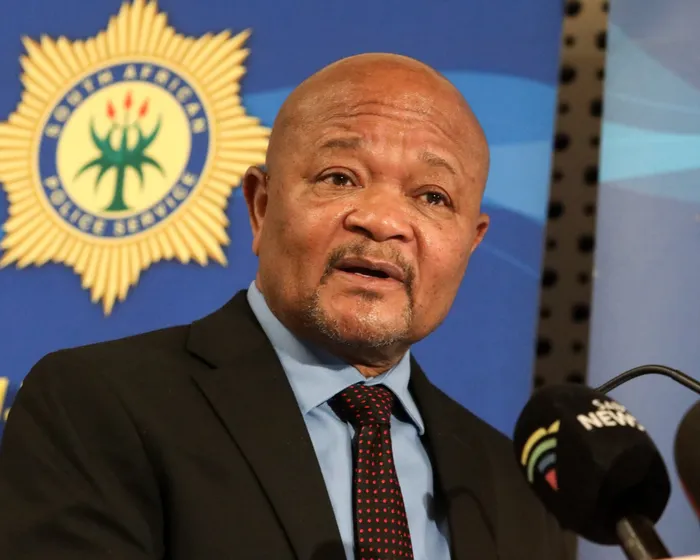
 Police Minister Senzo Mchunu: Image Supplied
By GoodWill Mathebula: President Cyril Ramaphosa has announced the immediate formation of a judicial commission of inquiry into allegations that threaten the integrity of the nation’s policing authorities.
The announcement comes amidst escalating tensions within the police force, sparked by explosive accusations from KwaZulu-Natal Police Commissioner Nhlanhla Mkhwanazi. Mkhwanazi claims that Police Minister Senzo Mchunu deliberately sabotaged investigations into political killings by seizing 121 open case files earlier this year and pushing to disband the specialized team tasked with probing these high-profile crimes. Mchunu has vehemently denied these allegations, but the controversy has ignited widespread calls for accountability from opposition parties, civil society, and concerned citizens.
In a televised address late Sunday evening, President Ramaphosa declared that the allegations are “serious and deeply concerning,” emphasizing that they threaten the very foundations of South Africa’s constitutional democracy, rule of law, and national security. “The allegations against the police and related agencies are serious and raise concerns around the Constitution, rule of law and national security,” Ramaphosa said.
He added, “If true, they threaten to undermine the entire police service and their ability to fight crime and corruption.”
To address the crisis head-on, the President announced the immediate suspension of Police Minister Senzo Mchunu, placing him on leave “with immediate effect.” In his stead, Firoz Cachalia, a respected law professor at the University of the Witwatersrand and a former ANC politician, has been appointed as acting Police Minister. Notably, Cachalia is among a rare group of appointees eligible to serve outside the parliamentary framework, a move aimed at ensuring an impartial interim leadership.
The core of President Ramaphosa’s strategy is the establishment of a judicial commission of inquiry tasked with unearthing the truth behind the allegations. The commission will probe allegations of infiltration and political interference within policing authorities, examine threats and intimidation, and scrutinize the involvement of any leaders or individuals suspected of aiding or abetting misconduct.
The President explained, “The commission will investigate allegations relating to the infiltration of policing authorities, including threats, political influence and various other matters tied to the allegations. It will also investigate the potential role of any leaders and individuals that may have been involved and aided and abetted in these alleged activities.”
The commission’s mandate is broad and comprehensive. It will explore issues such as political influence, corruption, abuse of power, and the integrity of investigative processes. Importantly, it will also make recommendations on further action, including potential criminal prosecutions of those found culpable.
Ramaphosa specified that “the commission is expected to produce interim reports at three months and six months after being set up, with the final report being presented thereafter.” These findings could have far-reaching implications for South Africa’s law enforcement landscape, potentially leading to prosecutions, reforms, and renewed public trust.
This upheaval underscores the deep-seated challenges facing South Africa’s police force, long marred by allegations of politicization, corruption, and mismanagement. Since the year 2000, only one of the five national police commissioners has served a full term without being removed or forced to resign amid allegations of misconduct or incompetence. Between 2000 and 2015, three police heads had no prior policing experience—raising questions about the professionalism and independence of the force.
South Africa remains one of the most violent nations in the world, grappling with a murder rate among the highest globally. Corruption and mismanagement are widely blamed for hampering economic growth, which has stagnated over the past decade and a half, leaving many citizens feeling insecure and disillusioned.
While many welcome the President’s decisive action, critics warn that genuine reform will require more than investigations and leadership changes. “This is a critical first step,” said political analyst Thabo Mbeki. “But lasting change will depend on whether South Africa can rebuild trust in its institutions and ensure that police and prosecutors operate free from political influence.”







