Subtotal R0,00

Business / 04 July 2025, 14:11pm/Mpho Mokoena
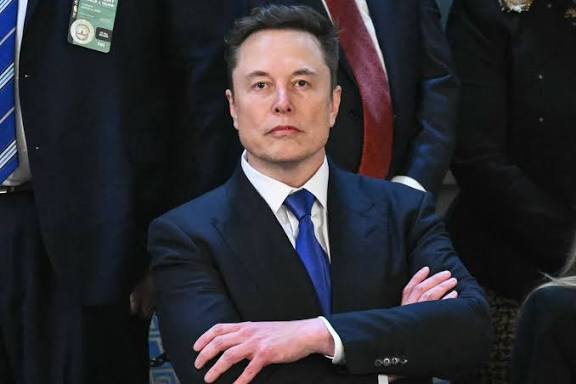
Elon Musk: Image Supplied
By Mpho Mokoena: The future of South Africa’s ICT sector is facing a heated debate as the Congress of South African Trade Unions (Cosatu) raises alarms over a new policy that could allow foreign companies like Starlink to bypass the country’s black economic empowerment laws.
Communications Minister Solly Malatsi recently gazetted a policy direction aimed at providing “policy certainty” and attracting much-needed investment into the sector. The move permits companies to meet their empowerment obligations through “alternatives to 30% ownership,” such as investing in local suppliers, enterprise development, and job creation.
But Cosatu isn’t convinced. Spokesperson Matthew Parks voiced strong concerns, emphasizing that the Broad-Based Black Economic Empowerment (BBBEE) Act offers two clear options for investors: a 30% shareholder stake or an equity equivalent — supporting local manufacturing, creating jobs, or upgrading skills.
“It’s critical that Starlink, like all other investors, comply with the BBBEE Act, whether it is the shareholder or equity equivalent option,” Parks stressed. He pointed out that companies such as IBM and Microsoft have already used the equity equivalent route, and warned that “exempting one company from BBBEE requirements would be unfair” and could undermine the law’s integrity.
Cosatu insists the government must ensure that BBBEE reaches those who most need empowerment — workers and working-class communities. The federation advocates for worker empowerment through Employee Shareholder Ownership Programmes and bolstering local production.
Adding fuel to the fire, Masedi Sesele, spokesperson for the Black Business Council (BBC), dismissed the idea of special exemptions. “Legislation is there for all to comply with, no exception,” he said. “Otherwise, the country will become lawless…The BBBEE legislation, together with the Codes of Good Practice, prescribes that any company wanting to do business in South Africa should implement all elements of the BBBEE codes — ownership, management control, skills development, enterprise and supplier development, and socio-economic development.”
He questioned the rumored R2 billion investment by Starlink, owned by Elon Musk, which intends to launch services in South Africa ahead of the G20 summit. Sesele warns this could be a “bending of legislation” to favor individual companies, emphasizing that Black people, who constitute 97% of the population but own only 3% of the economy, can’t continue to be sidelined in the name of foreign investments.
Malatsi’s spokesperson, Kwena Moloto, defended the policy, stating it was designed to offer “much-needed” certainty to attract investments into the ICT sector, including licensing for broadcasters and internet providers. He also confirmed that Starlink was not the only company under consideration.
However, the proposed pathway has drawn fierce opposition from political parties such as the EFF, ATM, and MKP, who accuse the government of allowing Starlink to sidestep existing laws. Political analyst Professor Sipho Seepe criticized the government and President Cyril Ramaphosa for “forging ahead” with the plan, warning it could set a dangerous precedent.
“The imbroglio regarding Starlink is further proof that South Africa is up for sale under the Ramaphosa administration,” Seepe warned. “This is what you should expect when you have a prepaid presidency. Every penny given to support his presidential candidacy was a future investment to ensure that the South African government would succumb to business demands.”
He concluded with a stark warning: “Succumbing to the demands of Starlink would set the wrong precedent and open the floodgates for like-minded business people.”