Subtotal R0,00

Energy / 22 June 2025, 08:29am/Mpho Mokoena
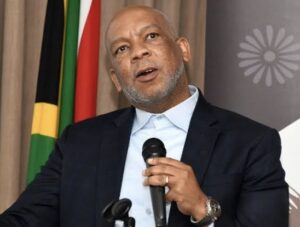
Electricity and Energy Minister Kgosientsho Ramokgopa: Image Supplied
By Mpho Mokoena: The Eskom board of directors received more than R10 million in board fees during the 2023/24 financial year, while the embattled state-owned utility’s employees collectively pocketed R3 billion in overtime pay over the same period, according to recent disclosures by Electricity and Energy Minister Kgosientsho Ramokgopa.
The figures emerged in response to parliamentary questions posed by Economic Freedom Fighters (EFF) Member of Parliament Mandla Shikwambana, who sought clarity on Eskom’s expenditure on overtime and the circumstances under which such payments were made. Shikwambana also inquired about the frequency and planning of the board meetings, as well as the remuneration and performance review processes for Eskom’s non-executive directors.
Minister Ramokgopa revealed that employees earned R3.03 billion in overtime during the 2023/24 financial year. He clarified that these payments were for work outside normal hours, which were approved during emergencies, standby periods, breakdowns, pre-arranged maintenance, commissioning of plant, authorized construction work on site, or in response to critical personnel shortages—typically for short durations not exceeding one month.
“Approximately 92% of the workforce is eligible for overtime,” Ramokgopa stated. He added that overtime compensation was limited to specific circumstances and approved work, underscoring the critical nature of Eskom’s operational demands.
Addressing the question of board meetings, Ramokgopa confirmed that Eskom held 22 meetings in the reporting period, with at least 10 of these being pre-scheduled between April 2023 and March 2024. He explained that non-executive directors were not paid per meeting; instead, they received a fixed annual fee based on their committee allocations. This arrangement implicitly covered participation in up to eight scheduled board meetings annually, with the remaining 14 meetings exceeding the planned schedule not attracting additional pay.
The minister detailed the remuneration of key board members, noting that Board Chairperson Mteto Nyati was paid R1.3 million, while fellow directors Fathima Gany, Claudelle von Eck, Clive Le Roux, and Tryphosa Ramano earned R1,081,000, R1,061,000, R1,058,000, and R1,018,000 respectively. Other members—including Leslie Mkhabela, Busisiwe Vilakazi, Bheki Ntshalintshali, Tsakani Mthombeni, Ayanda Mafuleka, and Lwazi Goqwana—received amounts ranging from R676,000 to R933,000.
Ramokgopa emphasized that these amounts covered fees for both board and sub-committee meetings, with the remuneration structure designed to reflect committee allocations rather than attendance at individual meetings. Additionally, directors were reimbursed for reasonable out-of-pocket expenses incurred during their duties.
On governance matters, Ramokgopa stated that Eskom conducted a collective performance assessment of its board, the last of which was undertaken in the 2024 financial year. The outcomes of this evaluation were shared with the shareholder representative, aligning with Eskom’s approach of assessing the board as a unified entity.
The disclosures come amid ongoing scrutiny of Eskom’s governance and financial management, especially given the significant overtime expenses incurred by employees and the substantial remuneration paid to board members. Critics argue that such figures highlight the urgent need for improved oversight and accountability within the utility.