Subtotal R0,00

Eastern Cape/ 13 June 2025, 09:26am/Sipho Gumede
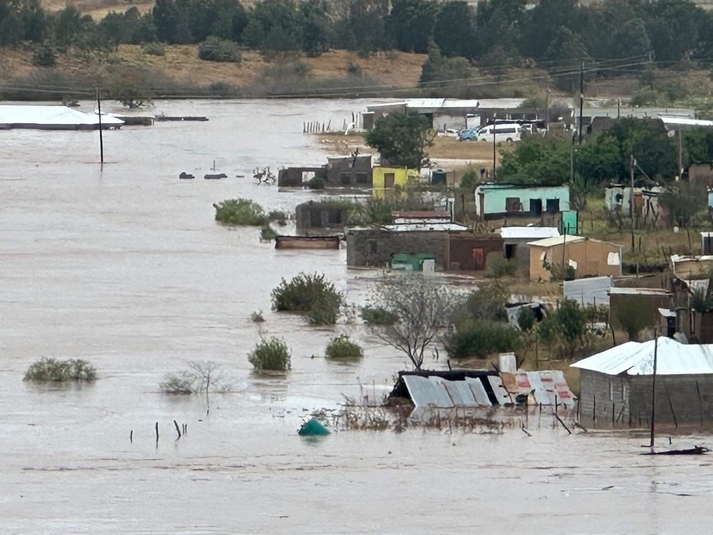
 Houses flooded by water in Mthatha, Eastern Cape: Image supplied
By Sipho Gumede: The devastating floods and landslides that swept through the Eastern Cape this week have claimed the lives of at least 78 people, with rescue operations still underway and fears that the number of casualties will continue to climb. Torrential rains and freezing temperatures have wreaked havoc across the province, leaving communities submerged and emergency services overwhelmed.
Images from the affected regions depict homes completely under water, muddy streets, and rescuers wading through the debris to reach stranded residents. The floods have caused widespread destruction, damaging infrastructure, and disrupting vital services such as water and electricity. Hundreds of residents have been displaced, forced to evacuate their homes and seek safety.
The storms initially hit on Monday, unleashing relentless downpours that overwhelmed drainage systems and triggered landslides in vulnerable areas. Emergency teams are working around the clock to locate and assist those trapped or injured, but the scale of destruction has stretched resources to their limits.
In a heartfelt address to Parliament on Thursday, Deputy President Paul Mashatile expressed the government’s condolences to the families affected by the disaster. “On behalf of the government, let me join those who’ve extended condolences to the families of the people affected by disasters in the Eastern Cape,” Mashatile said. “Our hearts are with you. Government will do everything in its power to assist you.”
Eastern Cape Premier Oscar Mabuyane has issued a stark warning about the insufficient resources available to respond effectively to such emergencies. Speaking to Journalists, Mabuyane emphasized the urgent need for increased support.
“We need more resources deployed in this area because when such things happen, we are always found paralysed and not knowing what to do,” Mabuyane said. “I hope now they realise what we have been saying: the province is too big to service it all from Gqeberha.”
He also highlighted the impact of climate change, describing it as an unavoidable reality that is intensifying the frequency and severity of natural disasters. Despite ongoing reports and warnings, Mabuyane lamented that the province has yet to see sufficient action.
“It’s a question we’ve been reporting every time we have experienced disasters, and we know we are a disaster-prone province,” he said. “The area that is under-resourced is the eastern part of the province. We’ve been speaking to the SAPS about that. We’ve also talked about the aerial services intervention and helicopters. You can’t service the Eastern Cape with one helicopter that is in Gqeberha because when the weather is bad, that helicopter cannot move.”
As rescue and relief operations persist, authorities warn that the situation remains critical. Heavy rains are forecast to continue, raising concerns about further landslides and flooding. Local communities are urged to remain vigilant, and aid organizations are mobilizing to provide supplies, medical assistance, and temporary shelters.