Subtotal R0,00

International / 12 June 2025, 11:15am/ Calvin Pretorius
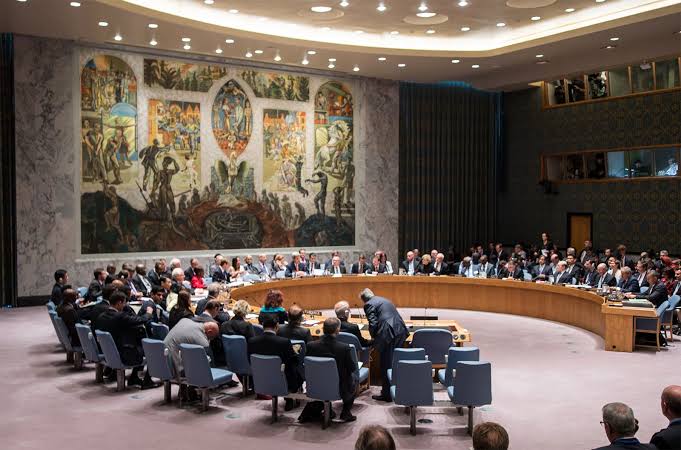
By Calvin Pretorius: As the United Nations prepares for a decisive vote this Thursday on a resolution demanding an immediate, unconditional, and permanent ceasefire in Gaza, the world’s diplomatic stage is revealing deeper fractures over how the conflict is framed and who holds sway over international opinion.
While the draft resolution is expected to pass overwhelmingly in the 193-member General Assembly, its significance extends well beyond the text itself. It underscores a broader contest of narratives, influence, and alliances among powerful nations. The United States, which vetoed a similar measure in the Security Council last week, is now actively working to shape perceptions ahead of a high-stakes UN conference next week—aimed at reigniting efforts for a two-state solution.
In a pointed warning seen by Reuters, the US cautioned member states that “countries that take anti-Israel actions on the heels of the conference will be viewed as acting in opposition to US foreign policy interests and could face diplomatic consequences.” This message illustrates how diplomatic language is increasingly intertwined with geopolitical leverage, with the US seeking to maintain its influence amid mounting international calls for action.
Meanwhile, Israel’s UN ambassador Danny Danon dismissed the upcoming General Assembly resolution as “both false and defamatory,” labeling it a “farce” that undermines hostage negotiations. His critique reflects a broader strategy to delegitimize global efforts that challenge Israel’s policies, emphasizing the power of narrative control in international forums.
The diplomatic tug-of-war also exposes contrasting visions for the future of the region. On one side, many countries see the resolution as a moral imperative—an expression of global solidarity demanding humanitarian access and accountability. On the other, powerful allies of Israel view such resolutions as interference in what they consider a complex security matter, wary of setting precedents that could embolden critics of Israeli policies.
Notably, the upcoming vote occurs against the backdrop of significant recent votes—153 countries in December 2023 calling for a humanitarian ceasefire, and 158 supporting an unconditional permanent ceasefire reflecting a growing global voice demanding change. Yet, the US’s stance remains firm, emphasizing negotiation over unilateral resolutions.
This diplomatic drama reveals more than just disagreements over Gaza; it’s a reflection of a world grappling with competing visions of influence, sovereignty, and moral authority. As nations line up behind different narratives, the UN’s role as a forum for global consensus is challenged, raising questions about how effective international organizations can be when major powers wield their vetoes and influence behind closed doors.
In the end, Thursday’s vote may serve less as a resolution’s enactment and more as a mirror of the shifting global landscape—where power, perception, and influence often overshadow the pursuit of peace.