Subtotal R0,00


National News/ 27 May 2025, 14:00pm/ Staff Writer
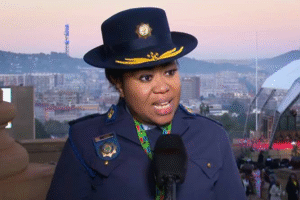
Athlenda Mathe, SAPS spokesperson, addresses the rising concerns over women’s safety in Sandton: Image Supplied
By Staff Writer: The South African Police Service (SAPS) has raised urgent concerns over a string of recent murders targeting women in Sandton, Johannesburg — a development that comes as tourism and business leaders warn the country must address damaging global perceptions.
Police say the bodies of three women have been found dumped in Sandton on separate occasions, with the latest victim identified as 30-year-old Olorato Mongale, whose body was discovered on Sunday afternoon in Lombardy West after she reportedly went on a date.
Police spokesperson Athlenda Mathe confirmed the worrying trend, “On the 8th of May, we picked up a lifeless body of a female in Sandton, which was dumped just like Olorato was dumped in Katherine Street in Sandown. We had a similar case as well in April.” Mathe urged women to be vigilant, inform family or friends about their whereabouts, and avoid situations where they feel unsafe.
While police work to solve these violent crimes, tourism experts warn that incidents of violence — amplified by international commentary — are further damaging South Africa’s global reputation.
Read More:
Malema Defies Trump’s Call for Arrest, Vows to Keep Singing ‘Kill the Boer’ Chant
Last week, President Cyril Ramaphosa’s delegation at the White House sought to counter narratives suggesting South Africa is a “violent nation” or even experiencing “genocide” — allegations first raised by former U.S. President Donald Trump, who controversially offered refugee status to minority Afrikaners, claiming they faced persecution.
Tourism Minister Patricia de Lille’s efforts to boost visitor numbers and strengthen the hospitality sector have been complicated by such narratives, say industry voices. Michael Delaney, General Manager of Radisson RED Johannesburg-Rosebank, stressed the importance of pushing back against damaging perceptions: “Many of the misconceptions can be countered by showcasing the friendliness of its people, natural beauty, and cultural diversity.”
Professor Christopher Isike of the University of Pretoria noted that Ramaphosa’s delegation missed an opportunity to clarify that political land reform and social tensions are not fueling widespread violence or genocide. Meanwhile, some organisations, including the MK Party and the EFF, argue that careless international comments continue to harm South Africa’s image abroad.
Despite repeated inquiries, the Department of Tourism declined to comment directly on how international perceptions might affect tourism, with Minister De Lille’s spokesperson referring all questions to the department’s marketing unit, which has yet to respond.