Subtotal R0,00

Economy/ 23 May 2025, 10:37am/ Lijeng Moruthane
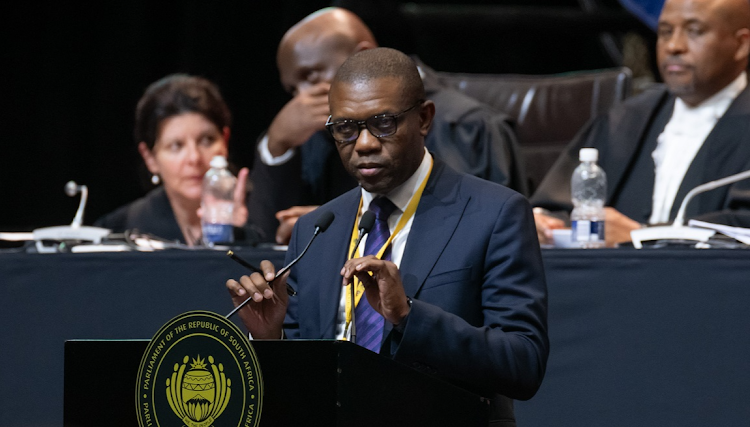
Songezo Zibi, chairperson of the Standing Committee on Public Accounts calls for urgent reforms to curb wasteful expenditure and improve the flow of public funds toward economic recovery: Image Supplied
By Lijeng Moruthane: Calls for a comprehensive review of South Africa’s fuel price structure took centre stage during a post-Budget briefing on Thursday, with Members of Parliament warning that continued increases in fuel levies could deepen the burden on the poor and widen inequality.
The Finance Minister, Enoch Godongwana, recently proposed an increase in the fuel levy, a move critics say will lead to higher transport costs and ripple effects across essential goods and services. During the briefing by finance cluster committee chairpersons, legislators urged swift and coordinated action to ease pressure on consumers.
Mmusi Maimane, chairperson of the Standing Committee on Appropriations, said a fuel price review was “paramount,” promising to raise the matter directly with the Finance Minister.
“I think we need to really review how we look at the fuel price,” Maimane said. “It affects everything — the cost of food, transport, and ultimately the quality of life for the poorest South Africans. I will certainly raise the question with the Minister of Finance tomorrow.”
Maimane also stressed the need to strengthen the currency to reduce the cost of oil imports. “We have to ensure the trade balance is stronger… Part of that is to attract foreign direct investment and ensure the rand is not weak. That will help lower fuel prices,” he added.
Read More:
Lesufi Dismisses ‘Political Gimmick’ Claims as Gauteng Relaunches Nasi Ispani
Finance Committee chairperson Joe Maswanganyi acknowledged the pain of fuel levy increases but argued that mitigation measures were in place. He said more funding was being channelled into commuter rail infrastructure — a cheaper transport option for the working class.
“The minister spoke about putting more money into transport, especially the commuter rail system, which is heavily subsidised,” said Maswanganyi. “The more we restore and expand rail services, the more we can protect the poor from high transport costs.”
Maswanganyi also cautioned against fuelling tax resistance, noting that the state could not survive without adequate revenue. “There is no state that can function without revenue. If you run a state on populism, it will collapse,” he said. “Taxation enables the government to fund essential public goods.”
Behind these budget and levy debates, however, is a broader concern about how public funds are managed.
Songezo Zibi, chairperson of the Standing Committee on Public Accounts (SCOPA), used the platform to shine a light on systemic inefficiencies and poor planning that, he said, continue to drain public finances and erode public trust.
“We have to do the work of releasing funds that are stuck in inefficiencies, incompetence, and poor planning,” Zibi said. “That money must go towards fixing the economy — not disappearing through wasteful expenditure.”
Zibi acknowledged that painful decisions lie ahead, with the 2025 Budget reflecting significant cuts to education, healthcare, and infrastructure.
“The question is not just about the fuel levy or VAT,” he said. “It’s about how much less we are willing to give the government — and what we’re prepared to sacrifice. We must also begin serious spending reviews to eliminate waste.”
He criticised the lack of accountability for financial mismanagement, adding that the government continued to overpay for goods and services without consequence.