Subtotal R0,00

Politics/ 20 May 2025, 13:26pm/ Staff Writer
Political analysts urge reduction of South Africa’s bloated cabinet ahead of Budget 3.0: Image Supplied
By Staff Writer: With just a day to go before Finance Minister Enoch Godongwana delivers the 2025/26 national budget, South Africa’s bloated cabinet is once again under the microscope, with growing public and political calls for a leaner, more efficient government.
Currently, South Africa has one of the largest cabinets in the world — 32 ministers and 43 deputy ministers — a configuration that far exceeds those of major global economies. In contrast, the United States operates with 26 cabinet members, the United Kingdom with 24, Japan with 20, and Germany with only 17.
Critics argue that this oversized executive not only undermines governance efficiency but also places an unjustifiable burden on the public purse at a time when the country is grappling with stagnant economic growth and critical funding shortfalls in healthcare, education, and public safety.
“This is not just a question of numbers,” said political analyst Joe Mhlanga. “It’s about value for money. What South Africans are getting in return for this enormous executive is very little.”
Read More:
“Ramaphosa Must Not Come Back!” Malema Blasts President’s US Trip During Budget Crisis
Recent data released by ActionSA reveals that the current cabinet setup is costing taxpayers an additional R239 million every year — totaling more than R1 billion over the government’s term. This includes high ministerial salaries, dedicated support staff, generous perks, and luxury vehicles that cost approximately R800,000 per ministry.
Mhlanga believes that such spending is indefensible. “The money spent on ministers’ cars and personal aides could be funding clinics, classrooms, and crime prevention,” he said.
Calls are intensifying for a major shake-up of the executive, with suggestions that the cabinet be trimmed to no more than 20 ministers and that most deputy minister roles be scrapped altogether.
“There’s no evidence that a larger cabinet delivers better outcomes,” Mhlanga noted. “In fact, the opposite is true — it encourages duplication, inefficiency, and inflated costs.”
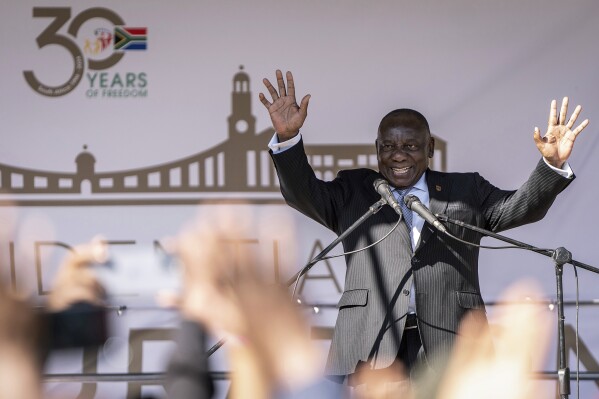
Despite President Cyril Ramaphosa’s previous commitment to reduce the size of the executive, the cabinet has grown under his leadership — a trend some attribute to political compromises and coalition pressures.
“There’s a reluctance to give up political power and perks,” said Mhlanga. “But if government is serious about fiscal responsibility, this is where it must start.”
As Godongwana prepares to deliver what has been dubbed “Budget 3.0,” many South Africans will be watching closely — not just for tax changes and funding allocations, but for signals that government is willing to cut excess at the top to fund urgent needs at the grassroots.
“The time has come to make tough decisions,” Mhlanga said. “A streamlined executive could free up billions and send a clear message: that government is prepared to lead by example.”