Subtotal R0,00


National News/ 15 May 2025, 16:00pm/ Lijeng Moruthane

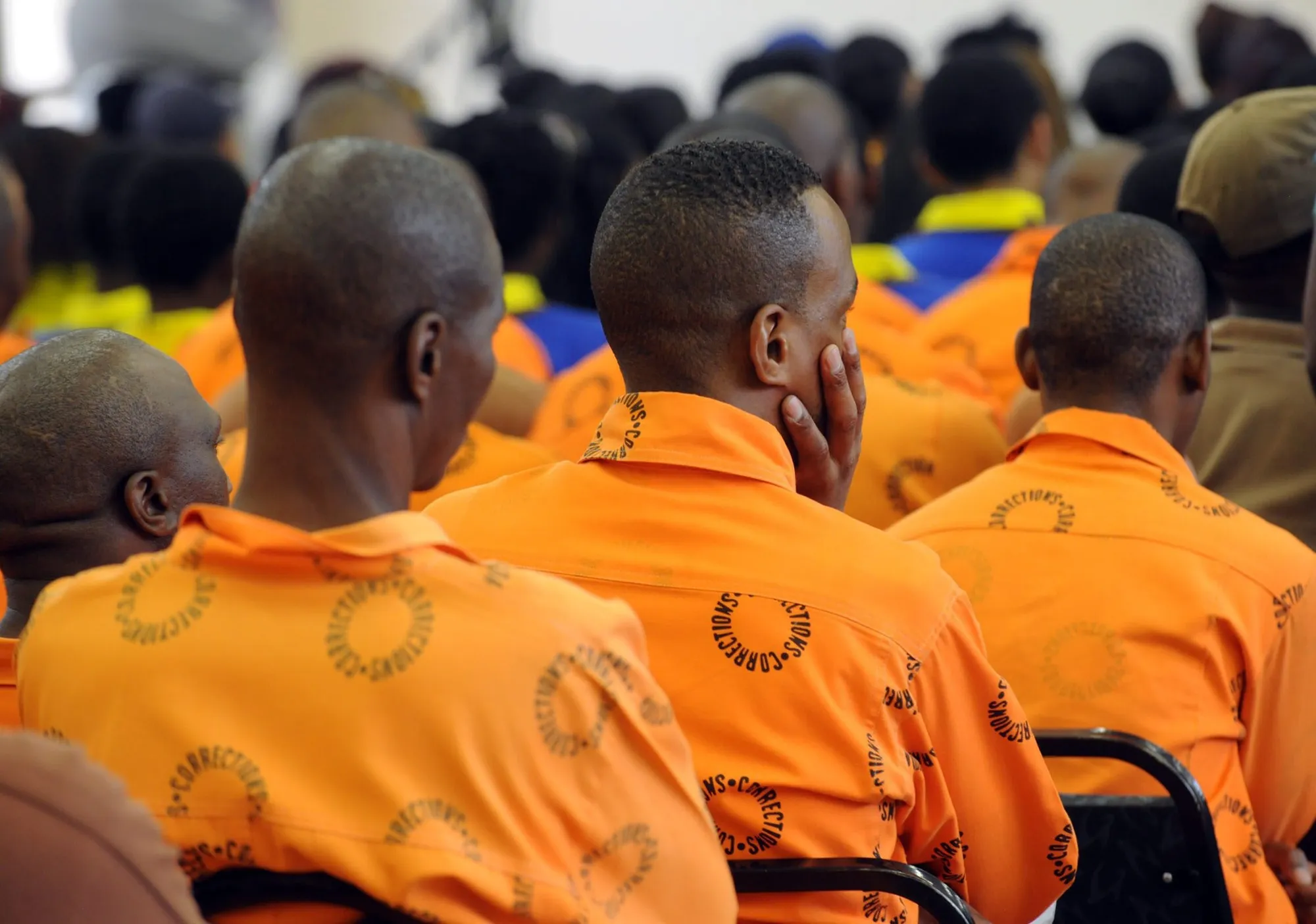
Some 10 million South Africans face the highest barriers to entering the workforce, with unemployment figures significantly outpacing that of older youth: Image Supplied
By Lijeng Moruthane: The growing proportion of unemployed young South Africans is becoming a direct threat to the country’s economic recovery and long-term growth, experts warn.
According to veteran business commentator Adrian Schofield, the country’s failure to integrate young people into the economy is not just a social crisis but “a direct obstacle to growth in the country’s economy.” He said the situation is contributing to increased crime and creating an unfavourable environment for investment.
The warning comes as Statistics South Africa (Stats SA) released a sobering breakdown of youth unemployment in its latest labour data. According to the agency, nearly 10 million young people between the ages of 15 and 24 now face the steepest barriers to entering the workforce, with unemployment in this group far outpacing that of older youth.
In 2015, half of this age group was unemployed. Ten years later, that number has surged to 62.4%.
Read More:
Suspicion of Criminal Activity Leads to R32 Million Asset Freeze in Magashule Asbestos Scandal
“This increase highlights deteriorating prospects for millions,” Stats SA said in the report, which further analysed the Quarterly Labour Force Survey released this week. Among young adults aged 25 to 34, the unemployment rate also rose—from 31.4% to 40.4%—over the same period.
The high jobless rate is compounded by the fact that nearly 60% of unemployed youth have no previous work experience, making it increasingly difficult for them to break into the job market. “Without experience, youth struggle to get hired – yet without being hired, they cannot gain experience,” the agency noted.
For Schofield, the issue is also rooted in South Africa’s education system. “The gross lack of attention to technical, engineering and maths skills in the education pipeline condemns the majority of matriculants to low-skilled or service occupations—if they can find any employment at all,” he said.
Stats SA’s data confirms this: young workers with jobs are often concentrated in retail, wholesale, and hospitality, which together employ about a quarter of the youth workforce. These sectors typically offer low pay, limited benefits, and little long-term security.
The economic implications are far-reaching. A large segment of the population remains excluded from meaningful participation in the economy, weakening consumer demand and increasing dependency on the state.
The crisis is also deeply gendered. Women are disproportionately affected, with 37.5% of females aged 15–24 classified as Not in Employment, Education or Training (NEET). For the broader youth cohort aged 15–34, the NEET rate is 45.1% overall—with 48.1% of women affected compared to 42.2% of men.
While South Africans are legally allowed to work from the age of 15, the reality is that many never get a foot in the door. “For many young South Africans, landing a job is more than just a milestone—it is a crucial step toward economic independence and inclusion,” Stats SA said. “Yet for millions, this first step remains out of reach.”
The agency stressed that youth unemployment is not a new problem—but it is worsening. “Over the past ten years, youth unemployment has remained persistently high,” it said.