Subtotal R0,00


Eastern Cape/ 07 May 2025, 09:08am/ Staff Writer
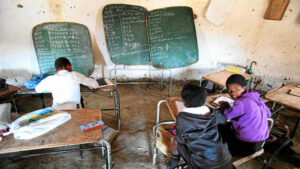
By Staff Writer: Poor infrastructure, overcrowding, and maintenance backlogs continue to undermine learning environments in South Africa’s public schools — with the Eastern Cape facing the worst conditions, parliament heard on Tuesday.
During a presentation to the portfolio committee on basic education, the Department of Basic Education revealed that more than 50% of public schools classified as being in “very poor” condition are located in the Eastern Cape. The department’s latest infrastructure assessment points to long-standing challenges that continue to plague the education system.
Out of 390 schools nationwide found to be in very poor condition, 220 are in the Eastern Cape, making it the province with the highest number of schools in critical disrepair.
Other provinces reported significantly lower figures:
Free State: 9 out of 937 schools
Northern Cape: 5 out of 546
Limpopo: 46 out of 3,622
Mpumalanga: 59 out of 1,632
KwaZulu-Natal: 10 out of 5,790
North West: 41 out of 1,445
Western Cape and Gauteng: 0 schools in very poor condition
While some provinces have made notable progress, the national picture remains concerning. Only 12% of South Africa’s 22,529 public schools are in “excellent” condition, with KwaZulu-Natal leading this category at 35%.
Read More:
Elderly Left Desperate After Floods Ravage Mdantsane Old Age Home
Basic Education Minister Siviwe Gwarube acknowledged that while improvements have been made, serious challenges persist. “Infrastructure is not a destination,” she told the committee. “We are dealing with historical inequalities, overcrowded classrooms, learner migration, and an urgent need for routine maintenance.”
She stressed that infrastructure is fundamental to creating a safe and dignified learning environment. “It’s not just about bricks and mortar. It reflects how much we value education as a nation. Quality learning cannot happen in environments that are unsafe or lack dignity,” she said.
The department’s report found that 8% of schools are in poor condition, while 2% are in very poor condition — a figure that may appear small on paper but translates into hundreds of schools where learners are exposed to unsafe environments daily.
“These conditions directly impact learner outcomes, teacher morale, and community trust in the public education system,” Gwarube warned. “Each unsafe school is a failure to deliver on the promise of equal education for all.”