Subtotal R0,00

Economy/ 24 April 2025, 16:08pm/ Staff Writer
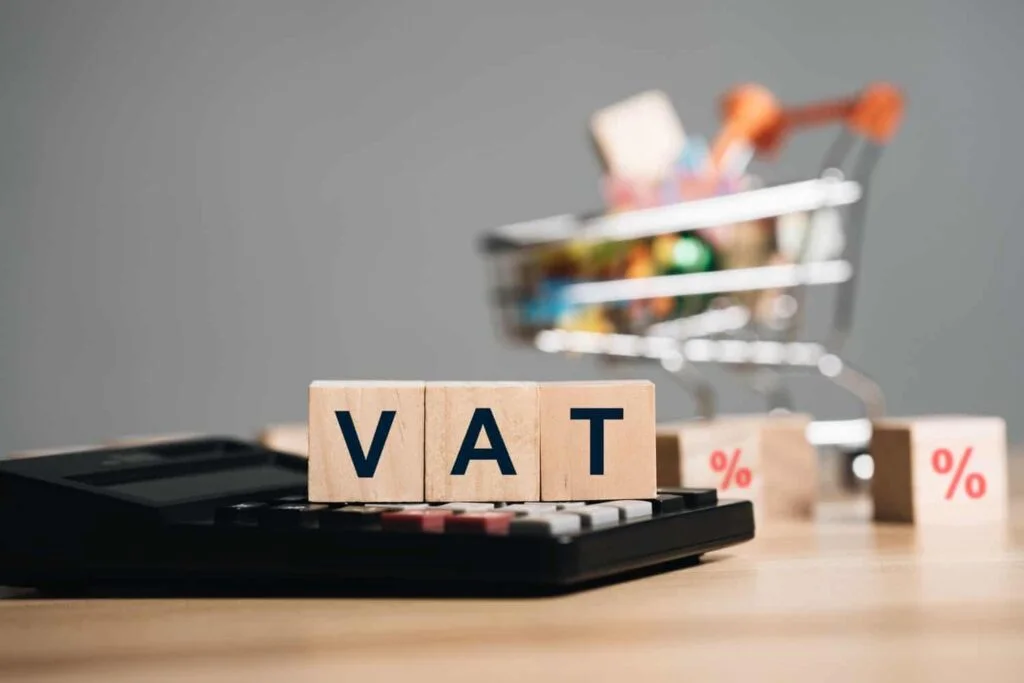
Financial analysts say the Treasury’s silence on next steps after the VAT reversal has deepened investor uncertainty and shaken confidence in South Africa’s fiscal direction: Image Supplied
By Staff Writer: South Africa’s economic policymakers have been accused of sowing confusion and undermining confidence after scrapping a planned VAT increase without offering any clear roadmap on how they will now plug the country’s widening fiscal gap.
Financial analysts say the Treasury’s abrupt U-turn, announced with little detail from Finance Minister Enoch Godongwana, has created a policy vacuum at a time when investors and businesses are already jittery.
“The minister did not give enough information in his statement about what will happen now or what the consequences of scrapping the VAT increase will be,” said Professor Jannie Rossouw of Wits Business School. “It leaves everyone—from business leaders to ordinary taxpayers—guessing about the way forward.”
Rossouw warned that the uncertainty feeds into a broader narrative of inconsistent policymaking that has plagued the Government of National Unity. “This kind of behaviour means there is no policy certainty in the country, and that is bad for business and investor confidence,” he said.
The reversal follows months of heated debate over the controversial 0.5% VAT hike, which Godongwana previously insisted was essential to raise revenue. Analysts now question whether the minister has lost credibility within his own party.
“The big question is: who in the ANC blinked? If we get an answer to that, we’ll better understand the power shift within the ruling party,” Rossouw added.
Jee-A van der Linde, senior economist at Oxford Economics Africa, echoed concerns about the lack of clarity, noting that businesses and consumers may be relieved—but only temporarily.
“This move doesn’t address the core issue: Treasury’s revenue shortfall,” Van der Linde said. “While political parties will spin this as a victory, the reality is that South Africa will face the same budget predicament next year.”
He warned that political indecision and last-minute policy changes send the wrong signal to international investors already wary of South Africa’s sluggish growth. “The flip-flopping about tax proposals creates confusion and contributes to unnecessary cost-of-doing-business pressures.”
Analysts estimate that preparations for the shelved VAT hike will cost the economy at least R1 billion—money that could have been better spent elsewhere. “At a time when nobody can afford to waste money, this is a staggering waste,” Rossouw said.
Even without the VAT increase, South Africa’s economic outlook remains bleak. Treasury’s own GDP growth forecasts have been deemed “overly optimistic” by both the IMF and private-sector economists, who now expect growth to hover around 1% this year.