Subtotal R0,00

Economy/ 24 April 2025, 15:28pm/ Lijeng Moruthane
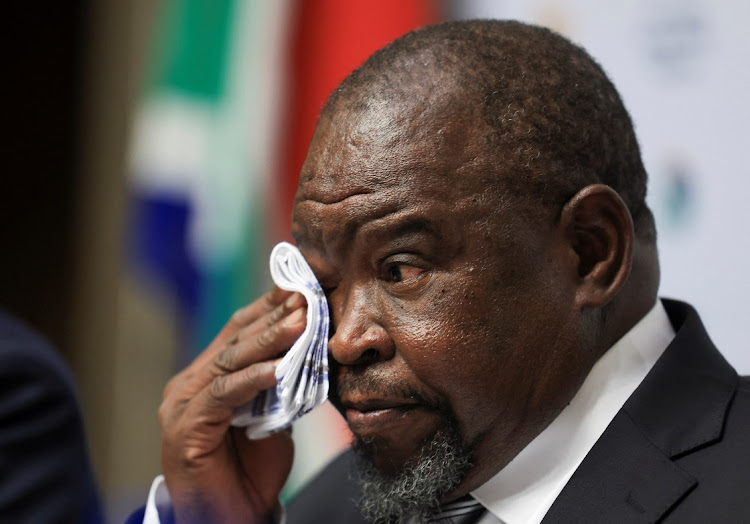
Finance Minister Enoch Godongwana: Image Supplied
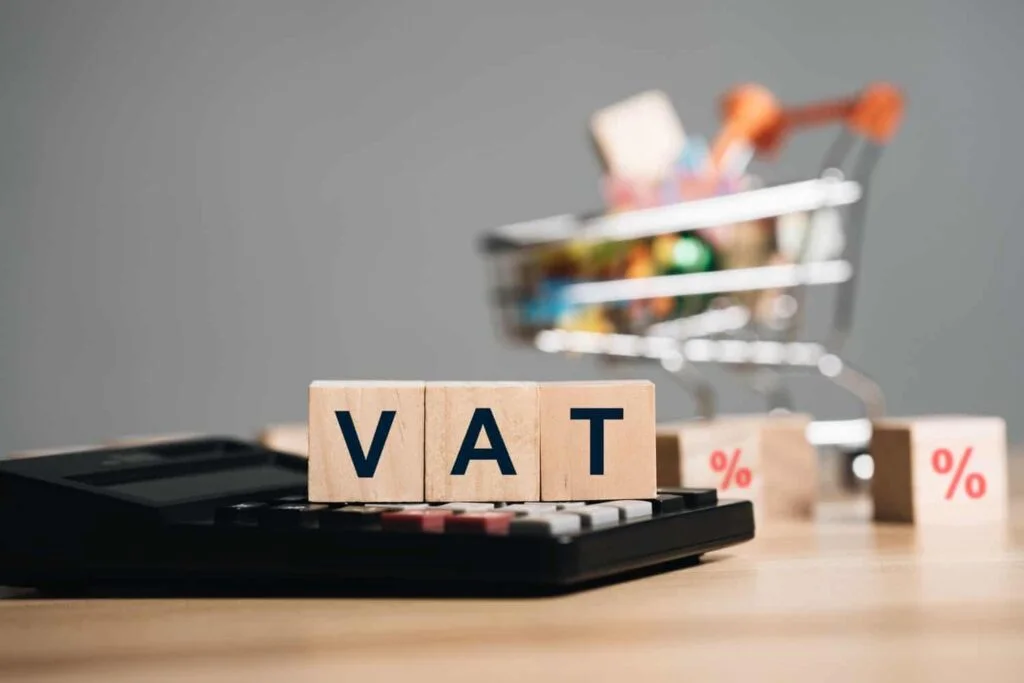
By Lijeng Moruthane: Plans to hire more teachers and nurses may be shelved as National Treasury scrambles to find R75 billion following a dramatic U-turn on a proposed Value Added Tax (VAT) increase.
The decision to withdraw the 0.5 percentage point VAT hike — which would have raised the rate from 15% to 15.5% — has left a gaping hole in the country’s revenue plan, with economists warning of imminent cuts to frontline services and infrastructure projects.
Old Mutual chief economist Johann Els said the government’s reversal, while politically popular, could now come at the cost of vital public services. “We’re likely to see significant cutbacks in planned spending, especially for extra nurses and teachers,” said Els. “That funding will have to be sourced from elsewhere, and the options are limited.”
The decision follows fierce political pressure and the start of a court case on Tuesday in which both the Democratic Alliance and Economic Freedom Fighters challenged the VAT hike in court, arguing it would disproportionately harm low-income households.
In response, Finance Minister Enoch Godongwana reversed the increase — and with it, the social support measures that were meant to soften the blow for the poor. “Other expenditure decisions will need to be revisited,” National Treasury said in a statement.
Casey Sprake, an economist at Anchor Capital, warned that the reversal introduces “a range of fiscal and economic challenges.”
“With the VAT hike off the table, the government must now identify other areas for fiscal adjustment. Many of these may come at the expense of key developmental priorities like healthcare, education, and infrastructure,” she said.
The surprise policy flip has also created headaches for businesses. Companies that had already begun adjusting pricing systems, updating financial models, and preparing communication materials will now be forced to undo those changes — a costly and time-consuming process.
“These operational disruptions translate into unnecessary compliance costs, lost productivity, and added complexity,” Sprake added. “And those costs are borne not by the state, but by the broader economy.”
The South African Chamber of Commerce and Industry criticized government’s decision-making process, saying not enough expert analysis had been done to explore cost-cutting options before turning to VAT as a solution.
With the VAT option off the table, economists say the government may now consider alternative revenue measures, including a hike in the petrol levy or changes to the list of VAT-exempt goods — which had recently been expanded to include more food items like meat and vegetables.
Although Treasury had tried to frame the VAT increase as a modest measure with protections for the poor, Investec chief economist Annabel Bishop estimated that such a hike could have added 0.25 percentage points to annual inflation.
However, with inflation at 2.7% in March — down from 3.2% in February — the risk of a short-term inflationary shock was relatively contained.
Economists say the episode underscores the economic damage caused by policy volatility and reactive governance.
“This is yet another example of the cost of uncertainty,” Sprake said. “It erodes investor confidence and complicates planning for both the public and private sectors.”