Subtotal R0,00

Education/ 23 April 2025, 10:48am/ Lijeng Moruthane
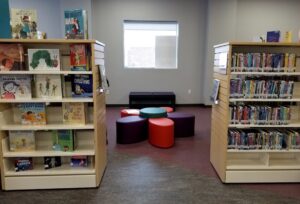
Children’s books stacked on display units: Image Supplied
By Lijeng Moruthane: Critical early literacy skills, essential for a child’s long-term academic and cognitive development, are being severely compromised by the lack of books at Early Childhood Development (ECD) centres across South Africa. This warning comes on World Book Day as organisations and education advocates highlight the urgent need to bridge the reading resource gap.
The latest ECD Census reveals a sobering reality: 61% of ECD centres have fewer than 10 children’s books, and only 56% provide reading material appropriate for their learners’ age group. Without these foundational tools, experts warn, children are entering formal schooling without the basic skills needed to succeed.
“Literacy begins long before a child steps into a Grade R classroom,” said Deb Zelezniak, spokesperson for the Santa Shoebox Project. “When we talk about building a nation of readers, we have to start with the youngest children — and right now, we’re failing them.”
The Santa Shoebox Project, a non-profit known for its outreach to underprivileged children, has taken action by commissioning the printing and distribution of 70,000 books to under-resourced ECD centres across the country.
Zelezniak painted a stark picture: “With 42,500 registered ECD centres and an average of 40 children per centre, hundreds of thousands of children are going without access to basic reading material during the most formative years of their lives. This is a national crisis.”
Early literacy forms the bedrock of language development, problem-solving, and lifelong learning. Studies consistently show that children exposed to books and storytelling in their early years perform better academically later in life and are more likely to develop strong emotional and social skills.