Subtotal R0,00

Economy/ 22 April 2025, 11:38am/ Lijeng Moruthane
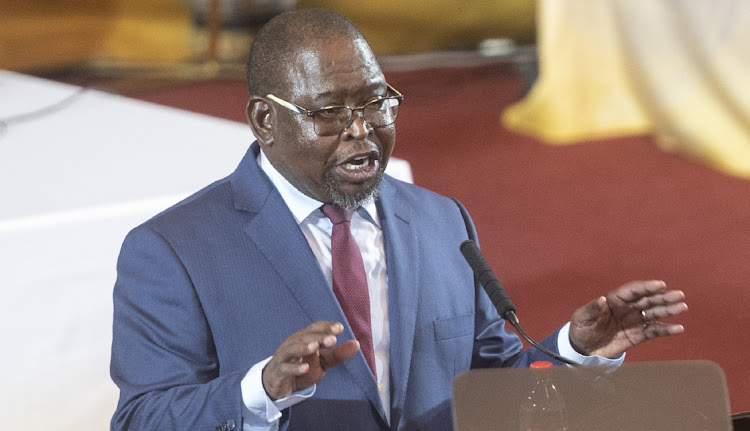
Finance Minister Enoch Godongwana says halting the VAT increase would force the government to cut essential services or borrow more, jeopardising support for the poor and vulnerable: Image Supplied
By Lijeng Moruthane: Finance Minister Enoch Godongwana has warned that the state stands to lose R13.5 billion in revenue if the planned 0.5% increase in Value Added Tax (VAT) is blocked—warning of devastating consequences for South Africa’s already constrained public finances.
In court papers submitted to the Western Cape Division of the High Court, Godongwana defended the controversial VAT adjustment, saying suspending the increase would leave government with only two options: deep spending cuts or further borrowing—both of which carry significant economic and social risks.
“The consequences would be severe and far-reaching,” Godongwana said. “The government would be immediately forced to either cut spending or increase borrowing. Spending cuts would likely fall on essential education, healthcare, housing, and social protection programmes—sectors that disproportionately support the poor and vulnerable.”
His comments form part of his affidavit responding to legal challenges brought by the Democratic Alliance (DA) and the Economic Freedom Fighters (EFF), both seeking to halt the VAT hike due to come into effect on May 1.
The DA is challenging the constitutionality of section 7(4) of the VAT Act, which allows the finance minister to adjust VAT rates on a temporary basis. But Godongwana dismissed the challenge as “misdirected,” arguing that the provision does not grant him unchecked power to change tax law.
“It grants me temporary and conditional authority to adjust the rate for 12 months, subject to Parliament’s power to enact legislation,” he said.
The EFF’s court application also came under fire, with Godongwana describing it as “unsupported” and “unclear,” questioning whether the party was objecting to a report or the VAT increase itself.
Despite the political opposition, Godongwana insisted that Parliament will have the final say on the VAT increase and expressed confidence that a majority will support it as a “responsible” fiscal decision.
“While I accept that tax increases are politically difficult, I believe that, when the proposed amendment to section 7(1) is debated, a majority in Parliament will support it as a responsible and necessary fiscal step,” he said.
Both the DA and EFF are also contesting the broader adoption of the 2025 Fiscal Framework and Revenue Proposals, which underpin the VAT hike. They argue that the decisions made by the National Assembly and National Council of Provinces were procedurally flawed and unlawful.
Godongwana has urged the court to dismiss the applications and allow the tax measure to proceed. He said the DA still has legal recourse through Part B of its notice of motion and could request appropriate relief at a later stage, should it succeed.
“There is no need to grant interim relief now. The balance of convenience overwhelmingly favours refusal of the interdict,” he said.
The High Court is set to hear the matter on Tuesday. Its ruling will determine whether the VAT increase will take effect as planned or be suspended pending further legal proceedings.