Subtotal R0,00

Politics/ 14 April 2025, 10:00am/ Lijeng Moruthane
EFF party calls intensify for the abolition of Orania, citing concerns over apartheid-era ideologies and threats to national unity: Image Supplied
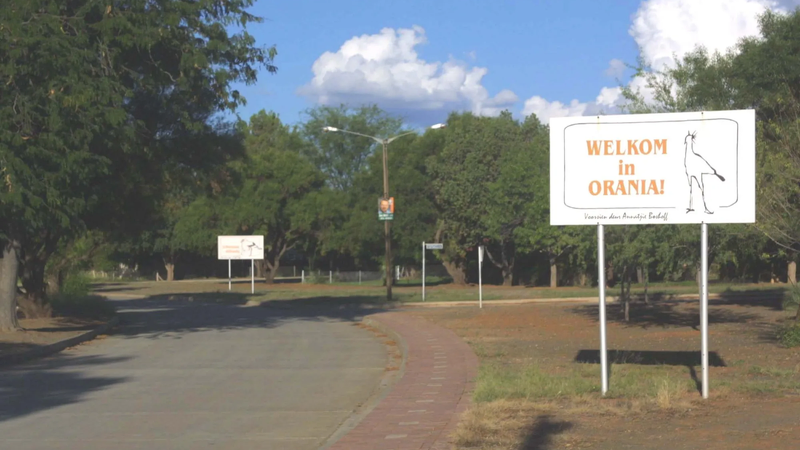
By Lijeng Moruthane: The Economic Freedom Fighters (EFF) in the Northern Cape have renewed national debate over the legacy of apartheid-era ideologies, calling for a constitutional review of the Afrikaner town of Orania and its place in democratic South Africa.
The party argues that Orania’s existence—an enclave established in the early 1990s to preserve Afrikaner culture and promote self-sufficiency—stands in direct contradiction to the constitutional principles of equality, inclusivity, and non-racialism. With an estimated population of 3,000, Orania continues to operate with a model the EFF says echoes the spatial and social segregation of apartheid.
EFF Provincial Chairperson Shadrack Tlhaole said the town is “not what we should appreciate and accept” in a post-apartheid nation, and urged South Africans—black and white—to reflect critically on its implications for unity and reconciliation.
“We are taking our march and continuing with our march to the premier’s office, demanding what we have said,” Tlhaole said, adding that the EFF is ready to challenge the status quo in Orania through legal and political avenues.
The party plans to march to the Northern Cape Premier Zamani Saul’s office in Kimberley on April 22, following what it describes as “unproductive” discussions with Orania’s leadership and the Freedom Front Plus (FF+).
While the EFF views Orania as a threat to social cohesion, Orania’s leadership maintains the town is constitutionally compliant and rooted in cultural self-determination rather than racial exclusion. Joost Strydom and FF+ provincial leader Wynand Boshoff have defended the town’s autonomy, stressing its peaceful relationships with surrounding communities.
“We didn’t agree on everything, which one would have expected, but it’s very good to hear the different perspectives,” Boshoff said after engagements with the EFF.
Still, the EFF warns that allowing Orania’s model to continue unchallenged could pave the way for further ethnic enclaves in other provinces—citing rising separatist sentiments in the Western Cape and KwaZulu-Natal as examples of the risks posed by unchecked cultural isolationism.
The debate has sparked criticism from some political observers who argue that the EFF is using Orania as a distraction from the country’s broader challenges, including poverty, high unemployment, and slow economic growth. Others question the significance of a small, demographically limited town in shaping national policy discourse.
Internationally, the issue is unfolding at a time of strained foreign relations. The United States recently cut financial aid to South Africa, citing alleged injustices against white citizens following President Cyril Ramaphosa’s enactment of the Expropriation Act—which permits land expropriation without compensation. Former US President Donald Trump has gone as far as to label EFF leader Julius Malema an “international threat.”