Subtotal R0,00

National News/ 08 April 2025, 15:00pm/ Lijeng Moruthane
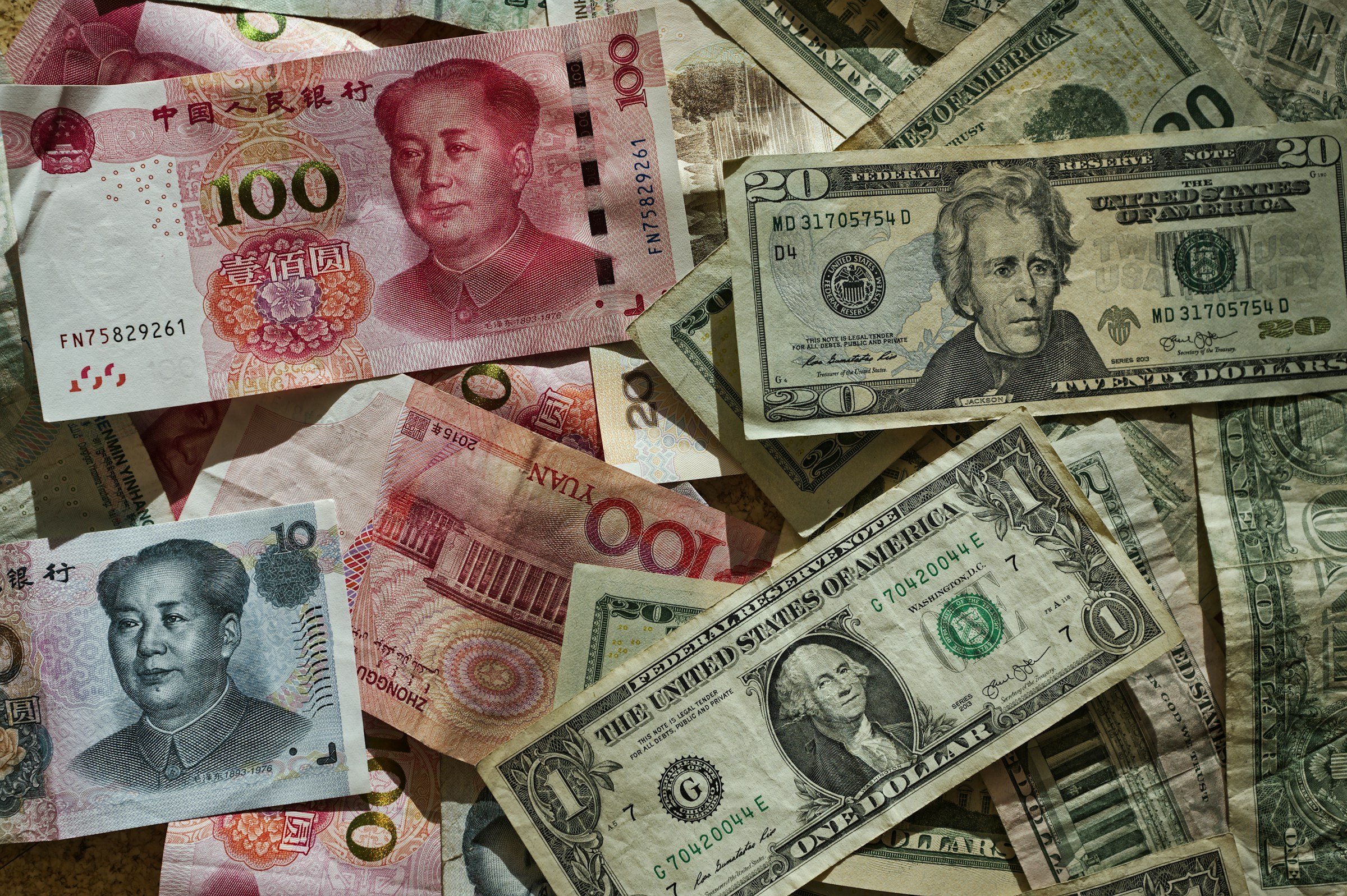
Traders monitor global markets as tariff tensions between the US, China, and EU trigger sharp currency and stock fluctuations: Image Supplied
By Lijeng Moruthane: Global currency and equity markets swung on Tuesday as investors attempted to make sense of mixed signals from the White House over international trade policy, leading to sharp fluctuations in the US dollar and a rebound in global stocks.
The dollar weakened while the euro advanced, as hopes emerged that President Donald Trump might reconsider or renegotiate the sweeping tariffs that have shaken markets for three straight sessions. Yet, despite signs of diplomatic openings, investors remained cautious amid the broader uncertainty over Washington’s trade strategy.
The euro rose 0.3% to $1.0931, recovering after two days of losses. Market participants also moved back into risk-sensitive currencies like the British pound and the Australian dollar, both of which rebounded after prior declines.
But the shifts in the currency markets were far from straightforward. While equities rallied across Asia and Europe, traditional safe-havens like the Japanese yen and Swiss franc also strengthened—highlighting investors’ ongoing struggle to interpret the trajectory of US trade policy and its global fallout.
“The market is caught between two stories: the hope of negotiation and the threat of escalation,” said Francesco Pesole, a currency strategist at ING. “That gap is creating a lot of volatility, and investors are bouncing between optimism and caution.”
On Monday, Treasury Secretary Scott Bessent expressed optimism that talks might ease tariff pressures, and President Trump announced that Japan was sending a team for discussions. The news spurred gains in Japanese stocks and encouraged some investors to re-enter riskier trades.
However, the global response remains fractured. China accused the US of “blackmail” over Trump’s proposed 50% tariffs in retaliation for Beijing’s own measures. The European Union also raised the possibility of 25% counter-tariffs on a selection of American goods.
The US dollar index, which tracks the greenback against six major peers, fell 0.3% to 103.11—bringing its cumulative drop to around 0.7% since the new tariffs were announced on April 2. The dollar also fell 0.4% against the Japanese yen, trading at 147.28.
“The lack of policy clarity is what’s driving the volatility,” said Nathan Lim, chief investment officer at Lonsec Investment Solutions. “Markets don’t know whether this is brinkmanship or the start of a more serious economic conflict.”
Elsewhere, China’s yuan dropped to its lowest level since 2023 after the central bank allowed more flexibility in its trading band—a move seen by analysts as an attempt to soften the impact of falling exports.
“This shift has reinforced speculation that China could permit a broader devaluation of the renminbi to offset the economic strain from the escalating trade war,” said Lee Hardman, senior currency analyst at MUFG.