Subtotal R0,00

International News/ 07 April 2025, 09:08am/ Lijeng Moruthane
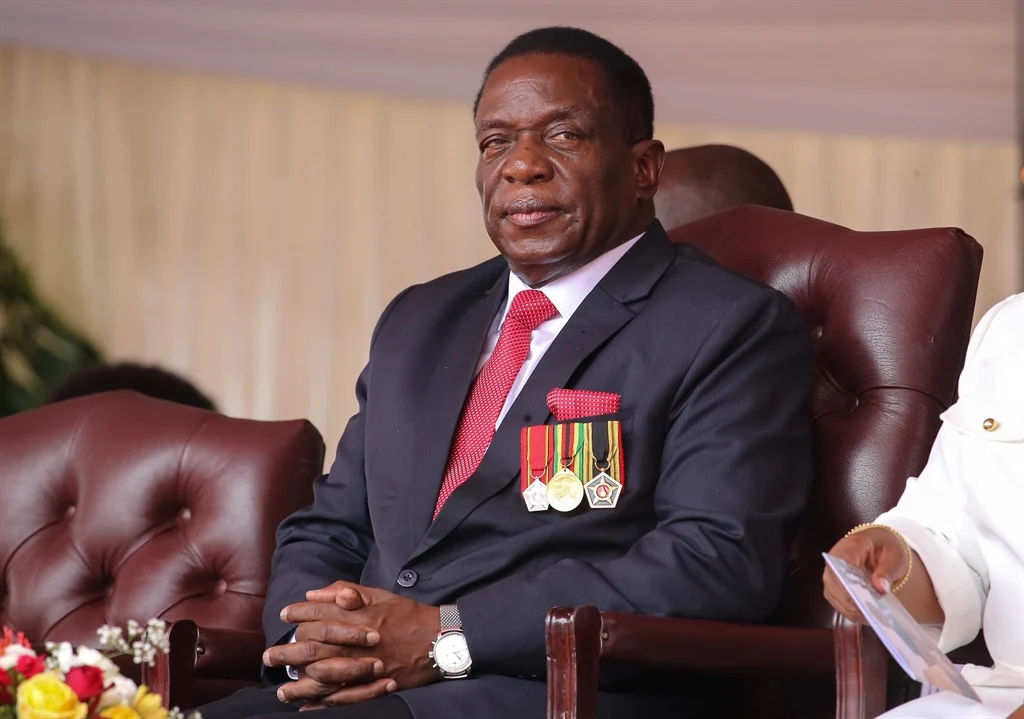
Zimbabwean President Emmerson Mnangagwa: Image Supplied
By Lijeng Moruthane: Zimbabwe’s decision to suspend all tariffs on goods imported from the United States has drawn scrutiny, with critics questioning the strategic value of the move in light of minimal trade volumes and strained diplomatic ties.
President Emmerson Mnangagwa announced the unilateral suspension on Saturday, just days after US President Donald Trump imposed 18 percent tariffs on Zimbabwean exports.
While Mnangagwa described the decision as a gesture aimed at deepening trade relations, some observers see it as a reactive and potentially misguided attempt to win favour with Washington.
“Does Zimbabwe even export enough to the US to justify trying to appease Trump’s administration in this way?” asked award-winning journalist and activist Hopewell Chin’ono on X. He dismissed the move as a “knee-jerk reaction” and warned that it could undermine regional economic solidarity, particularly within the Southern African Development Community (SADC).
Chin’ono cautioned that acting unilaterally contradicts the principles of regional cooperation and risks “sidelining the interests” of Zimbabwe’s key trading partners — the United Arab Emirates, South Africa, and China.
In 2024, total goods trade between Zimbabwe and the US amounted to just $111.6 million, according to US government figures. Zimbabwe’s exports to the US are limited, consisting mainly of tobacco and sugar. Against that backdrop, some economists say the tariff suspension may have little impact on trade volumes and could dilute Zimbabwe’s leverage in broader international negotiations.
Despite the criticism, Mnangagwa defended the decision as part of a wider foreign policy approach grounded in non-confrontation.
“The principle of reciprocal tariffs, as a tool for safeguarding domestic employment and industrial sectors, holds merit,” he said on X. “However, the Republic of Zimbabwe maintains a policy of fostering amicable relations with all nations, and cultivating adversarial relationships with none.”
He added that the suspension was designed to “facilitate the expansion of American imports within the Zimbabwean market, while simultaneously promoting the growth of Zimbabwean exports destined for the United States.”
However, tensions between Zimbabwe and the US remain unresolved. The Biden administration last year dismantled the decades-old sanctions programme targeting Zimbabwe’s former leader Robert Mugabe, but replaced it with targeted sanctions against Mnangagwa, senior government officials, and members of the ruling ZANU-PF party, citing corruption and human rights violations.
Mnangagwa condemned those sanctions as “illegal and unjustified” and has repeatedly called for their removal.