Subtotal R0,00

Kwa-Zulu Natal/ 31 March 2025, 11:25am/ Staff Writer
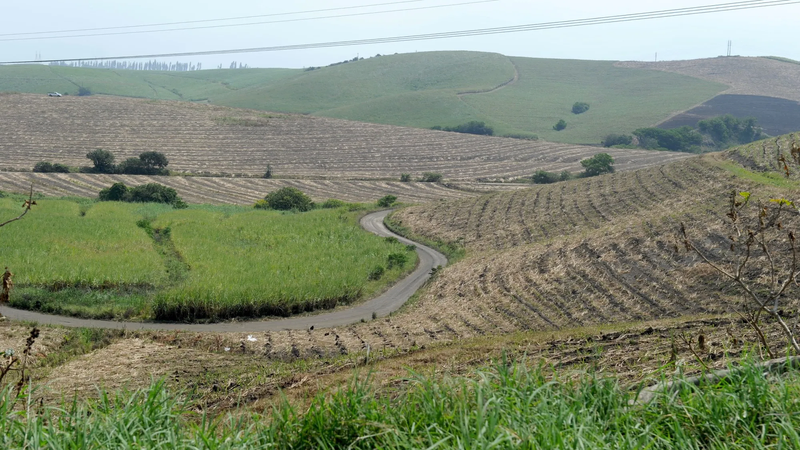
The KwaZulu-Natal sugar industry is on the brink of collapse, with thousands of jobs lost due to the sugar tax and land conversion for property development: Image Supplied
By Staff Writer: The sugar industry in KwaZulu-Natal is facing an alarming crisis, with approximately 16,000 job losses being attributed to the ongoing challenges, including the introduction of the controversial sugar tax. These job cuts, along with a sharp decline in revenue, have placed the sector on the verge of collapse, according to the provincial government.
The warning came during a briefing to the Edtea Portfolio Committee by the Department of Economic Development, Tourism, and Environmental Affairs (Edtea), where the dire state of the sugar industry was laid bare.
The Health Promotion Levy (HPL), commonly known as the sugar tax, has been a key factor in the job losses, with experts estimating a reduction of around 16,000 positions across the value chain since the tax was implemented in 2018.
Dr. Siyabonga Madlala, Executive Chairperson of the South African Farmers Development Association (Safda), explained that the sugar tax has had a devastating effect on both small-scale farmers and workers. Since the early 2000s, the industry has lost around 30,000 small-scale farmers, a dramatic drop from the peak of 55,000 farmers.
“The industry has shed about 30,000 small-scale farmers, with the current number standing at approximately 24,000,” Madlala said. However, he acknowledged that slight growth has been seen in the past five years due to supportive initiatives from stakeholders, including Safda and the KwaZulu-Natal Department of Agriculture and Rural Development.
The crisis is compounded by the rapid loss of agricultural land, as vast areas once used for sugar cane farming are being converted into property developments. Nhlakanipho Nkontwana, Head of Edtea, revealed that areas that were once sugar cane fields are now being sold off to the property industry, further straining the sector’s ability to recover.
“If you go towards the north, that is where they are building houses, and they buy that piece of land from Tongaat,” he explained.
Despite these setbacks, industry leaders are pushing forward with plans to diversify. Madlala noted that the industry is exploring ways to use sugar, which is currently being exported at a loss, to produce more sustainable and innovative products.
These include sustainable aviation fuel, bioplastics made from sugar cane by-products, and other environmentally friendly alternatives. “There are strong prospects for using about 500,000 tons of sugar to create carbon-neutral products,” he said.
The South African Sugar Association (Sasa) has echoed these concerns, with Executive Director Sifiso Mhlaba highlighting the industry’s substantial financial losses since the introduction of the sugar tax. Two mills in KwaZulu-Natal have already closed permanently, and job cuts continue to mount.
Mhlaba called for urgent intervention, stressing that the industry had lost billions in revenue and thousands of jobs, and it needed support to recover.
In response to the crisis, diversification has become a central focus. Dr. Thomas Funke, CEO of SA Canegrowers, pointed out that the sugar industry is crucial to the livelihoods of over a million people, especially in rural areas where employment opportunities are scarce.
He also emphasized that the industry has been working on long-term sustainability plans, including finding alternative uses for sugar and sugar cane, as well as mechanisms to support small-scale farmers.
Meanwhile, Edtea committee member Hannah Shameema Lidgett voiced concerns about the growing uncertainty within the sector, which has left many workers in limbo. The crisis is not only hurting employment but also pushing the entire industry to the edge, with reduced revenue and a lack of clear policy direction.
Edtea committee chairperson Mafika Mndebele called on the government to take decisive action. “Research shows that the agricultural industry is one that has the potential to create many jobs, and we need to support it. The government needs to put together a package to ensure we support it when they export finished goods,” he said.