Subtotal R0,00

Eastern Cape/ 28 March 2025, 11:00am/ Staff Writer
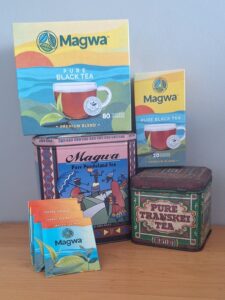
Magwa Tea Estate, once a thriving contributor, now struggles due to mismanagement and financial instability: Image Supplied
By Staff Writer: Magwa and Majola tea estates, once thriving contributors to the South African economy, have been severely impacted by corruption, looting, and violence, particularly stemming from union officials.
These issues have left the estates financially unstable, with workers often going months without pay due to mismanagement. Now, the estates are seeking a R400 million bailout from the Eastern Cape provincial government to support their long-term sustainability and restore their operations.
Wholly owned by the Eastern Cape Provincial Government and managed by the Eastern Cape Rural Development Agency (ECRDA), the estates have been struggling financially for several years.
Despite receiving over R209 million in funding from the Department of Rural Development and Agrarian Reform (DRDAR), the estates continue to face challenges. A further R60 million was allocated in 2019 to help with their rescue efforts, but the ongoing issues have proven difficult to overcome.
Magwa Tea, which once boasted a seasonal turnover of R65 million, has been especially hard-hit by these ongoing problems. Rabulanana Makutu, general manager of Magwa Tea, explained in an interview with the SABC that the estate requires at least half a billion rands over the next three years to restructure its core functions and ensure its survival.
“We know what we need to do. We must secure the necessary funds or capital to effectively turn this place around and sustain the much-needed jobs in the economy,” Makutu said.
“We need at least half a billion rands in the next three years to overhaul the business’s core fundamentals from production and processing to retail and wholesale. The entire value chain needs revision.”
The estates employ hundreds of individuals, including many women in Lusikisiki and Port St. Johns, who depend on these operations for their livelihoods. However, the lack of proper management and oversight has led to workers facing unpaid wages and uncertainty about their futures.
Eastern Cape MEC for Agriculture Nonceba Kontsiwe acknowledged the difficulty of securing the requested R400 million but confirmed that the provincial government had engaged with the Treasury to explore potential solutions.
However, she pointed out that the funding would only be allocated over three years, whereas the estates are seeking a once-off amount to meet their urgent needs.
“We are doing everything we can and have engaged Treasury, but securing this amount is challenging. The available funding would only be allocated over three years, whereas the estates require a once-off amount to achieve their goals,” MEC Kontsiwe said.
“We are also exploring alternative options, beyond government support, to help address the issue.”
In 2023, the Democratic Alliance (DA) called on the provincial government to cut its losses with the estates, claiming that the project had failed and was no longer viable.