
Subtotal R0,00

Education/ 17 March 2025, 14:30pm/ Lijeng Moruthane
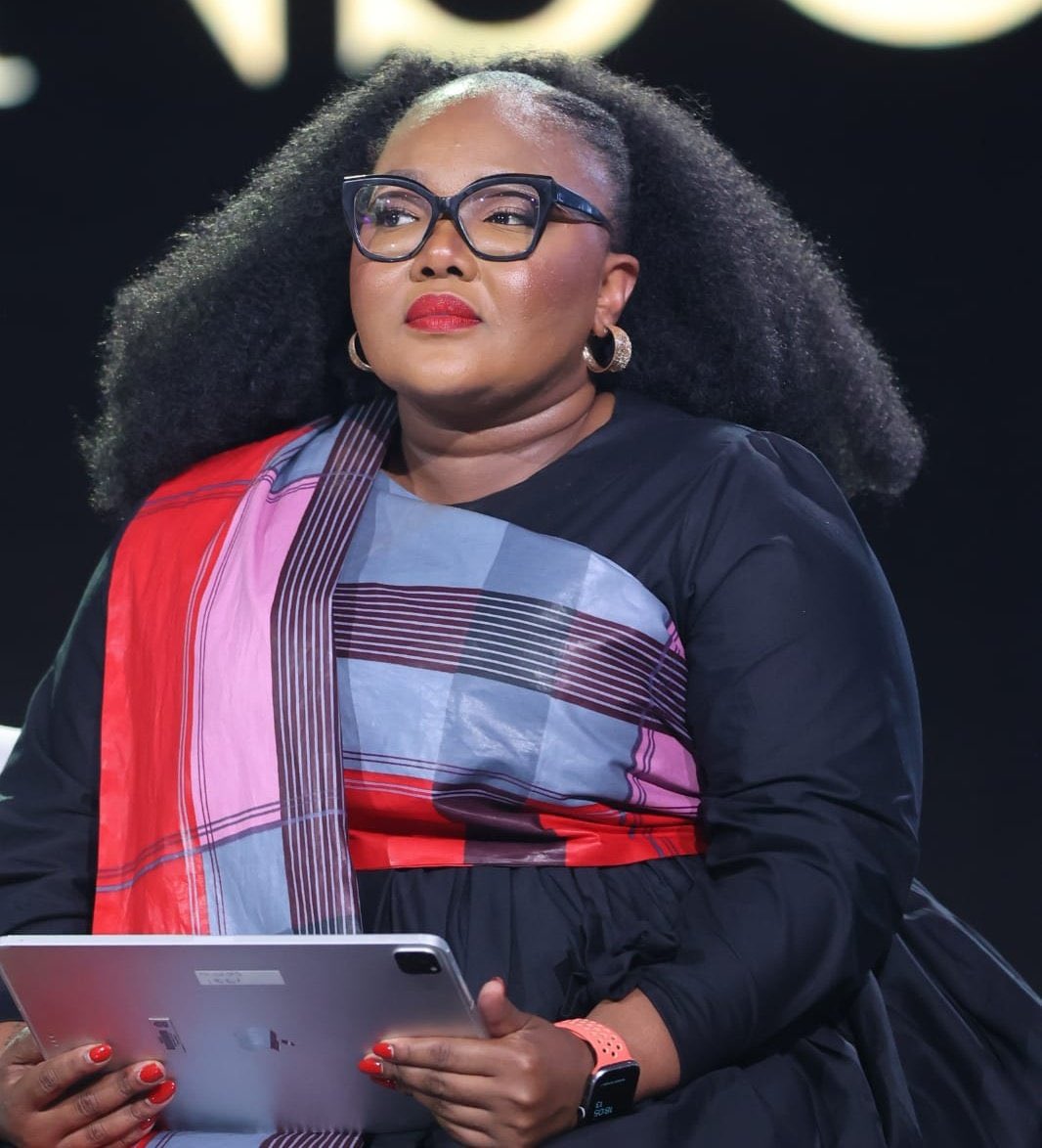
Basic Education Minister Siviwe Gwarube addresses the Bana Pele 2030 Roadmap Leadership Summit, highlighting the stark disparities in early childhood development (ECD) access across South Africa: Image Supplied
By Lijeng Moruthane: South Africa’s early childhood development (ECD) system is in crisis, with millions of children from poor communities falling behind before they even start school. The harsh reality is that only three out of ten children from the country’s poorest households are developmentally on track—compared to eight in ten from wealthier backgrounds.
Basic Education Minister Siviwe Gwarube delivered this sobering assessment at the Bana Pele 2030 Roadmap Leadership Summit on Monday, warning that the country is failing its youngest and most vulnerable citizens. She revealed that 1.3 million children between the ages of three and five are not enrolled in any form of early learning programme, a gap that continues to widen the inequality already entrenched in South African society.
“The children who are not attending ECD are found mostly in poorer communities, and this unequal access entrenches the inequalities that have come to define our country,” Gwarube said.
For children from underprivileged backgrounds, missing out on early learning means entering school already disadvantaged, struggling to grasp basic literacy and numeracy skills. Gwarube pointed out that children in well-resourced schools (quintile five) are far more likely to develop the skills needed to succeed later in life.
“Eight out of ten children in the wealthiest of our schools are likely to be developmentally on track. They can read for meaning, they can count, and they can manipulate complex puzzles,” she said.
By contrast, children who do not have access to early learning are more likely to struggle academically, face higher dropout rates, and become trapped in cycles of poverty.
Recognising the urgent need for change, Gwarube announced a bold goal: by 2030, every child in South Africa should have access to quality early learning. However, she stressed that achieving this would require more than just increasing funding.
“This goal is not about doing more of the same. It’s not about simply throwing more money or resources into a system that’s already under strain,” she said.
“No, this is about doing something impactful! Meaningful! Transformative!”
She urged government, the private sector, and civil society to work together to build sustainable solutions, acknowledging that government alone cannot solve the crisis.
“The first step is to admit that we do not have all the answers as government, and we must accept that we need to collaborate,” she said.
Gwarube challenged policymakers and education stakeholders to rethink outdated approaches to early learning and embrace new strategies to close the development gap.
“We can’t keep doing what we’ve always done and expect different results,” she said.
She also emphasized the importance of trust and accountability in achieving universal access to ECD, calling on NGOs, donors, and businesses to work together transparently.
“Trust is not just about accountability in government. It’s about how NGOs, donors, businesses, and every single player in this sector hold each other accountable,” she said.
Despite the grim reality, Gwarube remained hopeful about the future, noting that Africa is set to have the world’s largest workforce by 2060. Investing in early childhood education now, she argued, is key to ensuring that future generations are equipped to succeed.
“The time to alter the future history of our continent is now,” she said, concluding with a call to action:
“We will build a future where every child gets the quality early learning they deserve. Together, we will put the children of this country first. Bana Pele!”







