Subtotal R0,00


Economy/ 12 March 2025, 11:10am/ Lijeng Moruthane
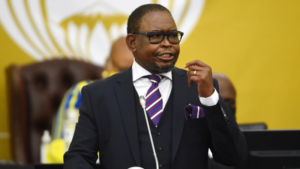
South Africa braces for economic challenges as Finance Minister Enoch Godongwana’s budget speech approaches: Image Supplied
By Lijeng Moruthane: South Africa’s economic future is hanging in the balance as the government of national unity (GNU) faces mounting pressure to present an acceptable budget. Investors are now closely monitoring the situation, with particular concern about the stability and effectiveness of the coalition government.
Any further disruptions to the budget process could signal to the global market that the GNU is struggling to govern effectively, leading to a reduction in expectations for both economic growth and fiscal reforms.
Elna Moolman, head of macroeconomic research at Standard Bank Group, voiced these concerns, stating, “Investors are at this stage very focused on the durability and efficacy of the government of national unity.
They’d view any further disruptions to the budget process as an indication that the GNU isn’t working very well, which would reduce their expectations in terms of growth and fiscal reforms.”
The postponement of the budget, the first in three decades, followed the failure of Finance Minister Enoch Godongwana’s proposed revenue and spending plan to gain the approval of key coalition partners, including the Democratic Alliance (DA), the country’s second-largest political party in the GNU.
With the current coalition’s inability to agree on crucial issues, there is growing uncertainty about the government’s ability to effectively manage the country’s finances and push forward with necessary reforms.
The budgetary deadlock centers on a proposed two percentage-point increase in the value-added tax (VAT) rate, which would raise 60 billion rand ($3.3 billion) for the fiscal year starting April 1. However, the proposal faced significant opposition, including from the DA, which questioned the impact of such a hike on South African citizens and businesses.
In the wake of the delay, South Africa’s bond yield curve has steepened, with long-term yields rising amid growing concerns about the outlook for government borrowing. Experts suggest that the Treasury will need to adjust its plans significantly to secure approval from the coalition, potentially opting for a more moderate VAT increase and trimming its overall spending proposals.
Andrew Matheny, an economist at Goldman Sachs Group Inc., stated, “I don’t think they’re going to do the full 60 billion rand of spending proposed… That’ll be part of the compromise.” Most economists expect a VAT increase in the range of 0.5 to 1 percentage point, which would help balance the Treasury’s revenue targets while maintaining some degree of fiscal conservatism.
The DA’s demands for pro-growth reforms, such as the privatization of the Cape Town port and structural changes to government spending, are likely to play a key role in the upcoming negotiations. DA leader John Steenhuisen has warned that the party will not support the budget unless it includes specific measures to stimulate economic growth, such as clear deadlines for removing economic bottlenecks and detailed spending reviews.
The ongoing divisions within the coalition raise questions about the ability of the GNU to deliver on its promises. With elections looming in 2024, political leaders face increasing pressure to balance fiscal responsibility with the need to support key public services. Godongwana’s warning that deep cuts to spending could hurt essential services underscores the delicate nature of the negotiations.
However, despite the tension, there is consensus among key coalition members on the need for fiscal consolidation. “The silver lining here is that it looks like there’s actually quite a bit of consensus on the need for fiscal consolidation across the main parties within the GNU,” said Matheny. “There’s disagreement on how to get there.”