Subtotal R0,00

Agriculture/ 10 March 2025, 14:00pm/ Staff Writer
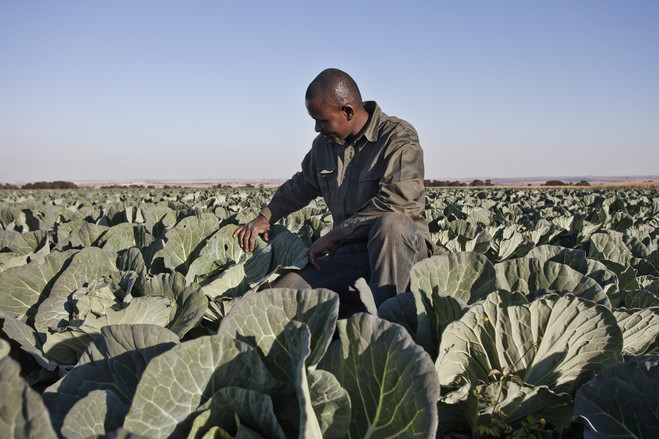
President Cyril Ramaphosa highlights the importance of black farmer inclusion in South Africa’s agricultural growth: Image Supplied
By Staff Writer: President Cyril Ramaphosa has reaffirmed the government’s commitment to transforming South Africa’s agricultural sector, emphasizing the need for greater inclusion of black farmers in commercial farming. In his weekly letter, he acknowledged that while the industry has shown remarkable growth since 1994, transformation remains a significant challenge.
“We cannot talk about sustainable agriculture in South Africa without addressing issues of equity and inclusion in farming and land ownership,” Ramaphosa stated. “Our growth agenda must therefore have a bias towards the empowerment of black farmers.”
According to agricultural economist Wandile Sihlobo, black farmers currently contribute only about 10% of the country’s commercial agricultural output. To address this imbalance, the government has committed to expanding land reform initiatives and ensuring that black farmers have access to critical resources, including land, financing, and training.
“The inclusion of black farmers in commercial agriculture necessitates that land is made available to them. The ongoing land reform process and release of Government land will continue to benefit emerging farmers and ensure that they too add to the growth of South Africa’s farming economy,” said Ramaphosa.
This transformation, however, requires a multi-sectoral approach. The Land Bank and other commercial financiers must play a role in providing capital, while organised agriculture can contribute by offering training and support to emerging black farmers.
Beyond land reform, the President highlighted agriculture as a major driver of economic growth and job creation. The sector directly employs approximately 924,000 people, with an additional 200,000 working across the agricultural value chain. Investment in agriculture, he said, remains key to revitalizing rural economies and small towns.
“The agricultural sector remains ripe for investment because of its recognised growth prospects. As this labour-intensive sector expands, more work opportunities will be created in the most vulnerable areas of the country, particularly rural areas. This, in turn, will support their economic rejuvenation,” Ramaphosa explained.
Agriculture is also one of South Africa’s strongest export industries, with 2024 marking a record $13.7 billion in agricultural exports. The sector’s success has been driven by a combination of government support and private sector innovation, particularly in the adoption of improved seed cultivars and farming technologies.
Despite its resilience, the agricultural industry faces significant infrastructure challenges that hinder growth. Poor municipal service delivery, deteriorating roads, and inefficiencies at ports and railways continue to constrain the movement of goods to markets.
“The structural reforms that started during the sixth administration are making progress towards addressing the port and rail challenges. Several road transport and bulk water infrastructure projects are underway that will boost the growth of agriculture,” said Ramaphosa.
In addition to infrastructure development, the government has introduced financial support mechanisms, including a blended finance instrument launched by the Department of Agriculture in collaboration with the Land Bank, aimed at helping farmers access capital.
Looking ahead, Ramaphosa emphasized that South Africa’s agricultural sector must be both inclusive and sustainable to secure the country’s food supply and economic future.
“It is in the interests of all South Africans that we have an agricultural sector that is representative and inclusive, that contributes to the growth of our economy and that produces the food our country needs,” he concluded.