Subtotal R0,00

Gauteng/ 28 February 2025, 15:20pm/ Staff Writer
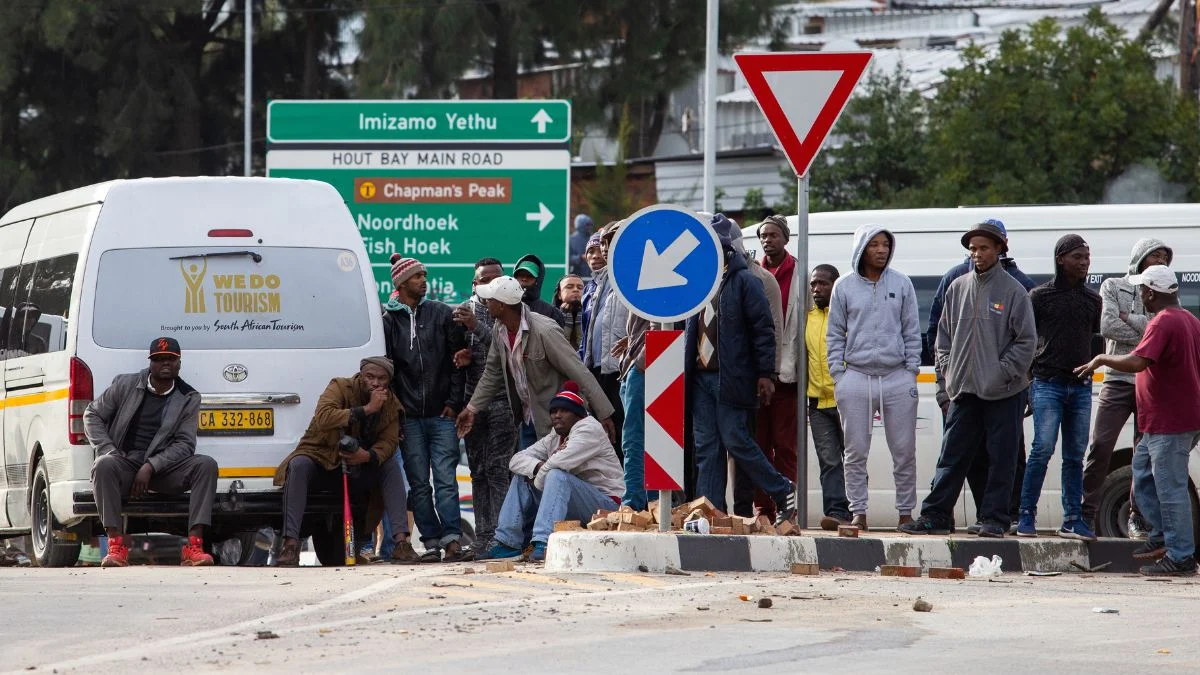
Taxi enforcers confront private motorists, escalating violence across South Africa: Image Supplied
By Staff Writer: Private transport providers, schools, and even individuals offering lifts to family members have become the latest targets of South Africa’s taxi industry, as operators intensify mafia-style tactics to maintain dominance.
From blocking e-hailing services to harassing school transport drivers, taxi enforcers have been accused of using intimidation and violence to eliminate competition. These tactics, which have drawn condemnation from politicians and civil society, have now been escalated to the Gauteng provincial government’s war room for urgent intervention.
Recent investigations exposed shocking incidents where taxi operators patrol roads, stop private motorists, and even resort to physical confrontations to control passenger transport. Reports of these tactics have emerged nationwide, including in Gauteng, Limpopo, the Eastern Cape, and Mpumalanga.
The e-hailing sector has been a long-standing target of taxi associations. In June 2023, tensions boiled over in Soweto when several Uber drivers’ cars were set ablaze outside malls amid a dispute with the local Taxi Association, which accused them of stealing business.
Defending these aggressive patrols, the South African National Taxi Council (SANTACO) claims they are meant to safeguard the industry. Mpumalanga chairperson Fanyana Sibanyoni argued that private motorists carrying passengers without permits violate taxi operators’ rights. However, National Police Commissioner Fanie Masemola dismissed this, stating that taxi enforcers have no legal right to stop vehicles or demand payments, calling their actions a form of harassment.
Despite growing public outrage, consequences for those engaging in extortion and intimidation remain rare. Gauteng Traffic Police spokesperson Sello Morani confirmed that while over 50 arrests were made last year, law enforcement alone has not been enough to curb the problem.
Gauteng Premier Panyaza Lesufi has now stepped in, acknowledging that the issue has reached crisis levels.
“There is a broader concern surrounding the taxi industry, with some associations acting as if they are a law unto themselves,” Lesufi said.
He highlighted increasing tensions between taxi operators and school transport providers, warning that some associations are attempting to push out competition. Areas like Zonkizizwe have become flashpoints for violent disputes, forcing the provincial government to intervene.
“The entire issue of taxi violence has been escalated to our war room, and we are actively working on solutions,” he said.
Lesufi added that while the government has been gathering concrete evidence, immediate action is needed. He cited Soweto as a cautionary example, where a year-long conflict between taxi associations left residents without reliable transport.
“There is an urgent need to intervene in the taxi industry,” he said. “We are taking these issues seriously and working toward long-term solutions.”