Subtotal R0,00

Health/ 07 May 2025, 15:25pm/ Lijeng Moruthane
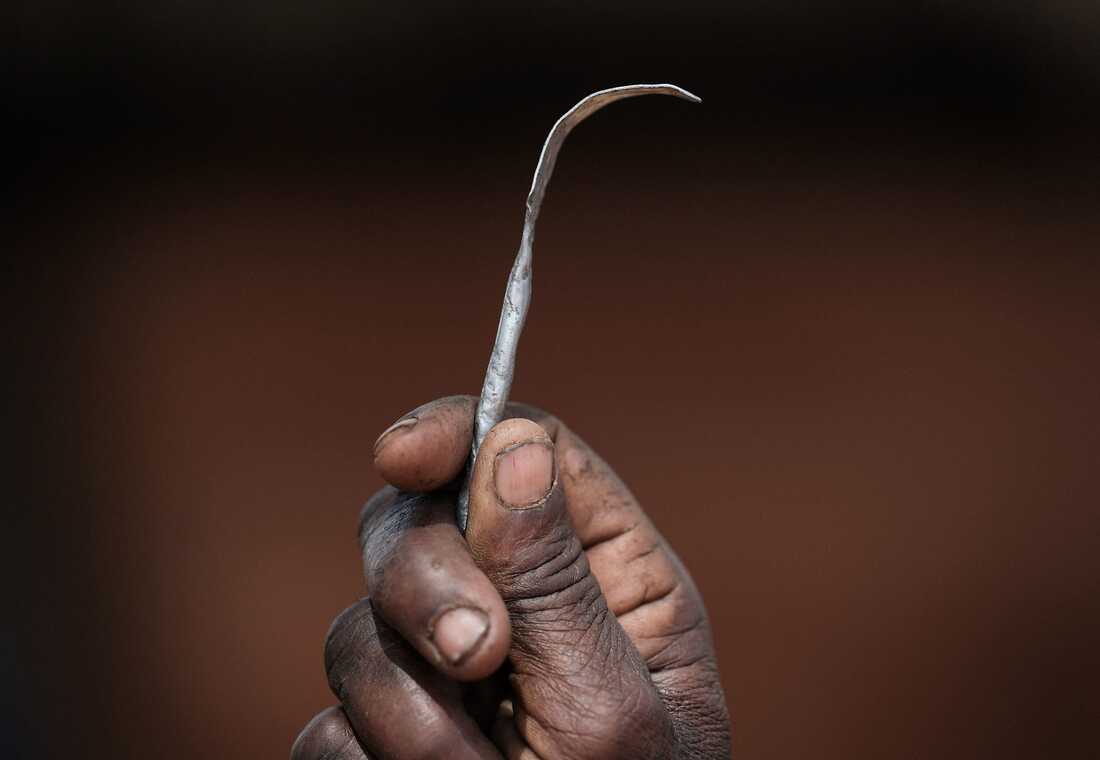
WHO is campaigning to educate communities about the dangers of female genital mutilation and the urgent need to end the harmful practice: Image Supplied
By Lijeng Moruthane: A growing number of female genital mutilation (FGM) procedures are being conducted by healthcare professionals, prompting the World Health Organization (WHO) to issue new guidelines aimed at ending this disturbing trend and reinforcing the global goal to eliminate FGM by 2030.
Despite widespread international condemnation of the practice, recent estimates suggest that one in four FGM cases now occurs in medical settings, a phenomenon referred to as the “medicalisation” of FGM. The WHO warns that the involvement of trained health workers does not make the procedure safer—in fact, it can result in deeper and more severe injuries.
“Some studies suggest it can even be more dangerous when performed by health workers,” WHO notes. “Its medicalisation risks giving a false sense of legitimacy to the practice and may hinder efforts to eradicate it altogether.”
In response, the WHO has released a comprehensive new guideline titled “The prevention of female genital mutilation and clinical management of complications.” The guideline outlines critical strategies for governments, health institutions, and communities to prevent the procedure and provide quality care to those who have already undergone it.
Read More:
Misleading Formula Ads Discourage Breastfeeding, Warns UNICEF
Dr Pascale Allotey, WHO Director for Sexual and Reproductive Health and Research, says the health sector has a dual responsibility: “Health workers must be agents for change, not perpetrators of FGM. They are in a unique position to influence attitudes and deliver care that upholds the rights and dignity of girls and women.”
The guideline promotes strict professional codes of conduct that prohibit medical personnel from performing FGM, along with the need for targeted training and positive engagement with healthcare workers to discourage their involvement.
Christina Pallitto, a WHO scientist who led the development of the new guideline, emphasised that health workers are often respected voices within their communities. “Engaging doctors, nurses, and midwives is key to shifting attitudes and protecting girls from harm.”
Globally, more than 230 million women and girls have undergone FGM, with over 4 million at risk every year, many before the age of 15. The consequences of the practice are severe, ranging from immediate complications like bleeding and infection to long-term issues such as infertility, childbirth complications, and psychological trauma.
The WHO’s new approach also highlights the importance of community education, particularly involving men and boys, to dismantle the cultural and social norms that perpetuate the practice. While laws and policies are vital, the organisation stresses that lasting change must come from within communities.
In addition to prevention, the guideline advocates for empathetic, high-quality care for survivors, calling on health systems to be equipped to manage the complex physical and emotional consequences of FGM.