Subtotal R0,00

Health/ 07 May 2025, 12:38pm/ Lijeng Moruthane
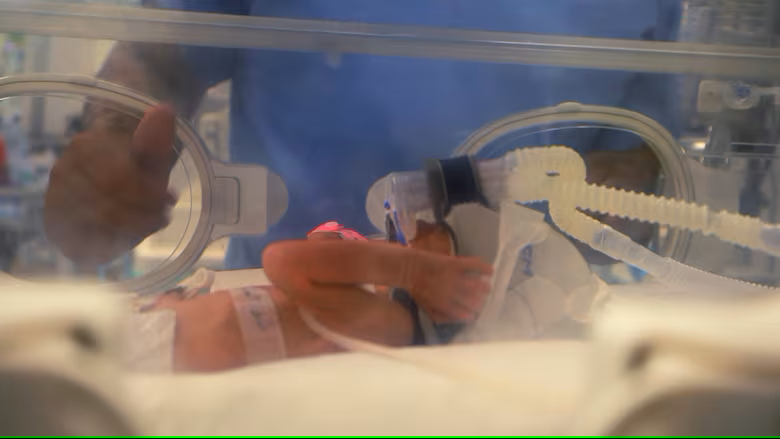
A nurse gently cares for a newborn in a neonatal unit at a public hospital in South Africa. Recent data shows a troubling rise in deaths within the first week of life, raising concerns about maternal and infant healthcare as budget cuts loom: Image Supplied
By Lijeng Moruthane: Newborns face their highest risk of death in the first seven days of life — and for a growing number of South African infants, these early days are proving fatal. This is the stark warning from a new report by Statistics South Africa, released just ahead of the presentation of the third National Budget for the year.
The report reveals that early neonatal deaths — those occurring within the first week of life — rose from 7,039 in 1997 to 8,212 in 2020, with a peak of 11,060 deaths recorded in 2009. These deaths now account for about a third of all perinatal deaths — a category that includes both stillbirths and early neonatal deaths — over the five-year period from 2016 to 2020.
“Early neonatal mortality is a key indicator of the quality of maternal and newborn care,” Stats SA said, stressing that the data must be used to strengthen healthcare systems. “The rising rates of perinatal deaths in South Africa, driven by complications during pregnancy, labour, and delivery, highlight the critical need for improved maternal and neonatal healthcare.”
Overall, perinatal deaths nearly doubled over two decades — from 13,021 in 1997 to 24,120 in 2020 — underscoring a growing healthcare challenge that many fear will be worsened by looming budget cuts.
The government is facing a R75 billion shortfall in its budget after shelving a proposed VAT increase, raising concern that departments such as Health may bear the brunt of the fiscal tightening. Frontline services — particularly the hiring of additional nurses and doctors — could be affected.
Read More:
Misleading Formula Ads Discourage Breastfeeding, Warns UNICEF
Old Mutual chief economist Johann Els has warned of “significant cutbacks in spending that was planned, especially in terms of extra nurses and extra teachers.” This could hamper progress in improving outcomes for mothers and babies, especially in rural and under-resourced areas.
In February, the government’s initial Budget proposal allocated R181.4 billion — 90% of the Department of Health’s budget — to provincial departments, where most services are delivered. It also pledged to reinforce primary health care and prepare for the rollout of national health insurance. However, these plans now face uncertainty.
Between now and the 2027/28 financial year, health spending is projected to increase by 4.1% annually, slightly above the current inflation rate of 2.7%. But experts say this may not be enough to reverse the troubling trend in early neonatal deaths.
As policymakers finalise the revised Budget, healthcare advocates warn that reducing support for maternal and neonatal services would come at a high human cost.
“These first seven days of life are non-negotiable,” said one public health expert. “What happens during that window reflects not only the health of the newborn but the strength — or weakness — of our entire system.”